


Hegemonic Disputes in the Indo-Pacific and their Impact on Peru

By: Humberto Martínez Mujica (17/08/2023). EThis article analyzes the situation of instability in the Indo-Pacific, caused by the hegemonic disputes between the United States and the People’s Republic of China, as well as the latter with Malaysia, the Philippines, Taiwan, Vietnam, Brunei and Japan, over maritime territories claimed by each of the parties. Likewise, it analyzes how this scenario affects the maritime communication lines of Peru, which flow from its coasts to the main ports of Southeast Asia, taking into account that these concentrate most of the Peruvian trade routes. In order to deal with this situation, Peru’s naval capabilities must be strengthened to have a fleet of warships that can withstand a prolonged stay at sea and stabilize maritime areas in case of conflict, as part of a powerful multinational Peacekeeping force that supports the foreign policy of the Peruvian State.
“The threat of Organized Crime in the Amazon” Conference

On August 11, the Peruvian Army Center for Strategic Studies organized the Conference “The Threat of Organized Crime in the Amazon,” on the occasion of the 5th Anniversary of the Creation of the CEEEP. This event was attended by Dr. Farid Kahhat (Principal Analyst Ad honorem of CEEEP) and Magister Clemente Rodríguez (Analyst – Researcher of CEEEP), and was chaired by Brigadier General Luis Alberto Rojo Alzamora (Deputy Chief of the General Staff of the Army), representing Army General David Ojeda Parra (General Commander of the Army) accompanied by the High Command of the Army.
Mysticism and Military Leadership as part of the Institutional Transformation Process

By: Oscar Luis Calle Pérez (10/08/2023). The training and development of the military is based on the values that define their ethics and conduct, both in the military and in the citizen. These virtues, such as honor, loyalty, respect, discipline, and responsibility forge the identity and character of these professionals. On the other hand, they must always be prepared to face situations of great demand and comply with the requirements that the homeland imposes, in accordance with the institutional mission. An example of this is the heroism of the soldiers who participated in the Pacific War, who demonstrated their commitment and sacrifice for national defense.
Challenges of Defense Strategic Management: The Colombian Case

By: María Johanna Alarcón Moreno (03/07/2023). Defense in Colombia, realized through the actions of its Armed Forces, is the means to guaranty the protection of the territory of the nation as part of the security of the State. In this sense, defense contributes to territorial and decision sovereignty, as well as the well-being of its citizens and institutions, allowing it to meet the national objectives that as a society have been set. That is, both defense and national security are important factors for the development of national interests and the prevention of the evolution of complex challenges affecting the nation. In this regard, strategic planning and its consecutive management are the tools that will allow Colombia to face its risks, threats, and opportunities. To this end, the State has set up a National Security Council, whose task is to carry out the pertinent coordination.
Comparing PRC Engagement in Central and Eastern Europe with Latin America

By: Evan Ellis (27/07/2023). The text analyzes the engagement of the People’s Republic of China (PRC) with the countries of Central and Eastern Europe (CEE) and compares it with that of Latin America and the Caribbean (LAC). It also highlights the PRC’s interest in power infrastructure projects, digital sectors, media and the financial sector in CEE. Military cooperation and political aspects of relations between the PRC and both regions are also mentioned. In this sense, the importance of analyzing China’s similarities and differences in each region to understand its global nature is highlighted.
The Military’s Strategic Leadership in Times of Health Crisis

By: Manolo Eduardo Villagra (25/07/2023). In Peru, in the context of the COVID-19 pandemic, the Armed Forces deployed to support prevention, containment and control measures in order to mitigate the virus. Their professionalism and experience enabled them to efficiently carry out the assigned activities. In other words, the military, being prepared to face difficult situations in their combat operations, have the skills to manage health crises. In this context, new challenges arose that demonstrated professional education and training from a leadership perspective. As a result, this paper highlights the importance of military leadership in Peru and its fundamental role in the effective response to the COVID-19 pandemic. This study used a hermeneutic qualitative methodology to identify the best practices developed in this situation.
Efficiency of Strategic Management in Latin America

By: Jacintho Maia Neto (13/07/2023). The 21st century has meant that organizations must adapt to a world characterized by the speed and intensity of change. Regarding military organizations, new demands have arisen either in the strictly military field or in support of society’s needs. Therefore, the focus of this article is to understand how these organizations can make use of the strategic management concepts so recurrent in the business environment. The large amount of existing information, as well as the speed with which strategies need to be modified to meet new demands that affect the achievement of the organization’s objectives, are part of the scope of defense. Knowing why, when, and how to change strategies is also part of defense management. To this end, the defense documents of ten Latin American countries were analyzed.
First International Conference

On June 14, in the auditorium of the Army’s Computerized Tactical Center – CETAC, the Peruvian Army Center for Strategic Studies organized the First International Conference with the objective of socializing the work of the CEEEP. This event was chaired by Colonel EP Juan Villanueva Correa (Director of CEEEP) and attended by the different Military, Naval and Air Defense attachés accredited in Peru. Among those present were representatives of the countries of: Argentina, Brazil, Chile, Colombia, China, Korea, Spain, United States, Italy, Paraguay, Panama and Russia.
Peruvian Army Center for Strategic Studies (CEEEP) signs Academic Cooperation Agreement with the Universidad Militar Nueva Granada.

On July 6, 2023, the Peruvian Army Center for Strategic Studies (CEEEP) signed an academic cooperation agreement with the Universidad Militar Nueva Granada, of Colombia, which will allow, among others: exchange academic material and information, collaborate in joint research projects and publications in areas of mutual interest defined by both institutions; help disseminate each other’s productions, participate in activities that enhance mutual understanding and collaboration, including the realization of virtual seminars, conferences, talks and other activities organized by both institutions; and consider co-sponsoring international academic events.
Security Challenges in the Caribbean: Threats, Migration, and International Cooperation
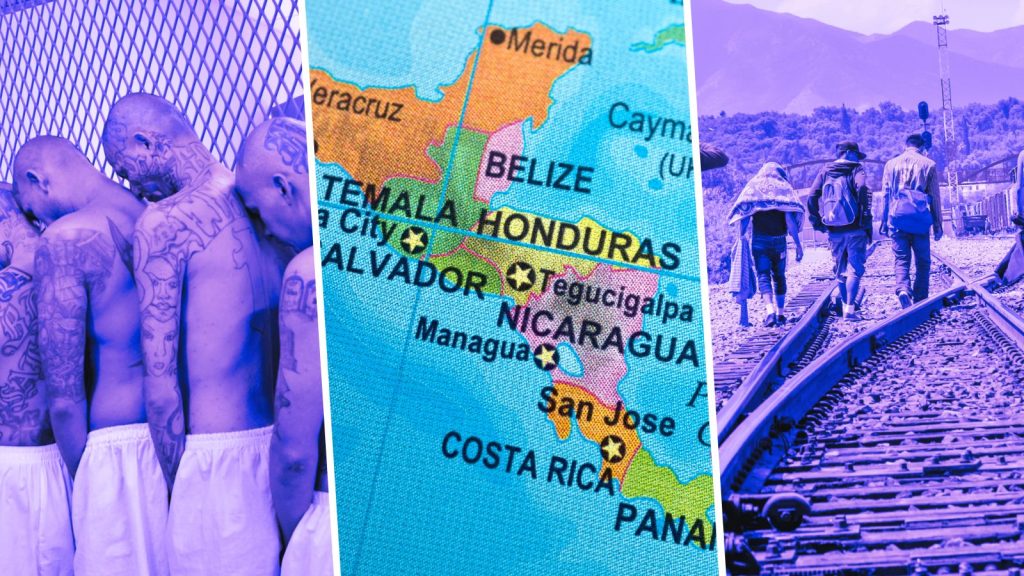
By: Evan Ellis (06/07/2023). The Caribbean faces growing security challenges, ranging from geopolitical tensions to armed violence and the gang epidemic, exacerbated by drug trafficking and competition for drug routes. The region has also been affected by the COVID-19 pandemic, mass migration, and money laundering. Caribbean countries require integrated solutions to address these issues, including strengthening institutions, combating crime and corruption, and addressing underlying causes such as inequality and drug demand. International cooperation, particularly with the United States (USA), plays a crucial role in facing these challenges and restoring stability in the Caribbean region.

