


Armored Vehicles Under Threat: Drones, Technological Disruption, and the Decline of Land Power in the 21st Century
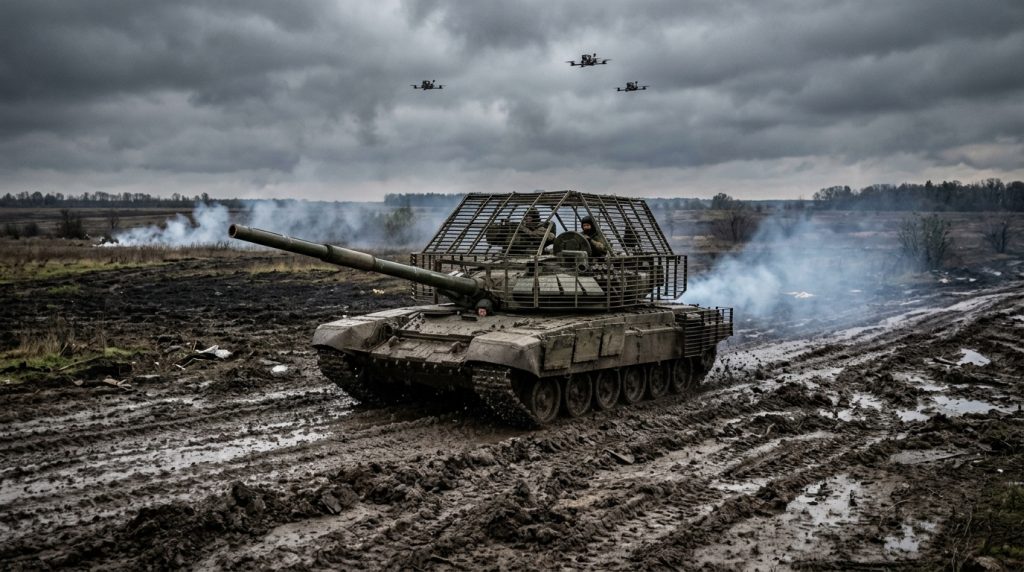
In the 21st century, armored vehicle-based land capabilities have undergone a radical transformation. The emergence of armed drones, loitering munitions, and artificial intelligence (AI) has proven highly effective in recent conflicts, affecting the traditional supremacy of tanks on the ground. This analysis addresses the evolution and adaptation of these systems in the face of the impact of unmanned technologies in scenarios such as Nagorno-Karabakh (2020) and Ukraine (2022-2025).
Putumayo: Strategic Retreat of GAOR-48 “Comandos de Frontera” and Its Impact on Peru’s National Security
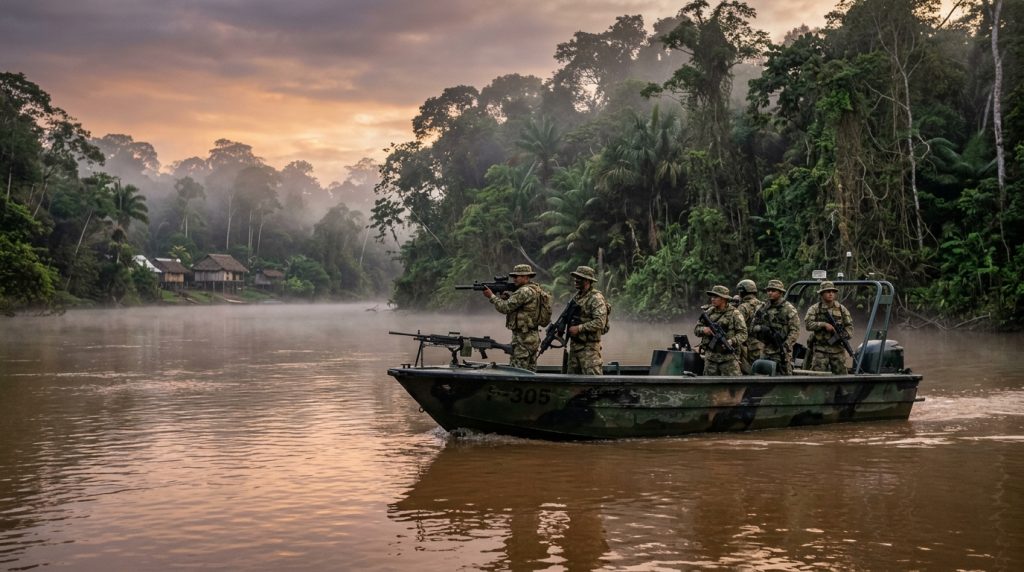
This article analyzes the potential strategic retaliation by the Residual Organized Armed Group (GAOR-48) “Comandos de Frontera” in the border area between Colombia and Peru, specifically on the Putumayo River, as a result of an attack on Ecuadorian military personnel. Through the study of current sources and regional references, it is determined that this retreat would strengthen a criminal network in Peruvian territory.
Special Forces and Their Role in Information Operations
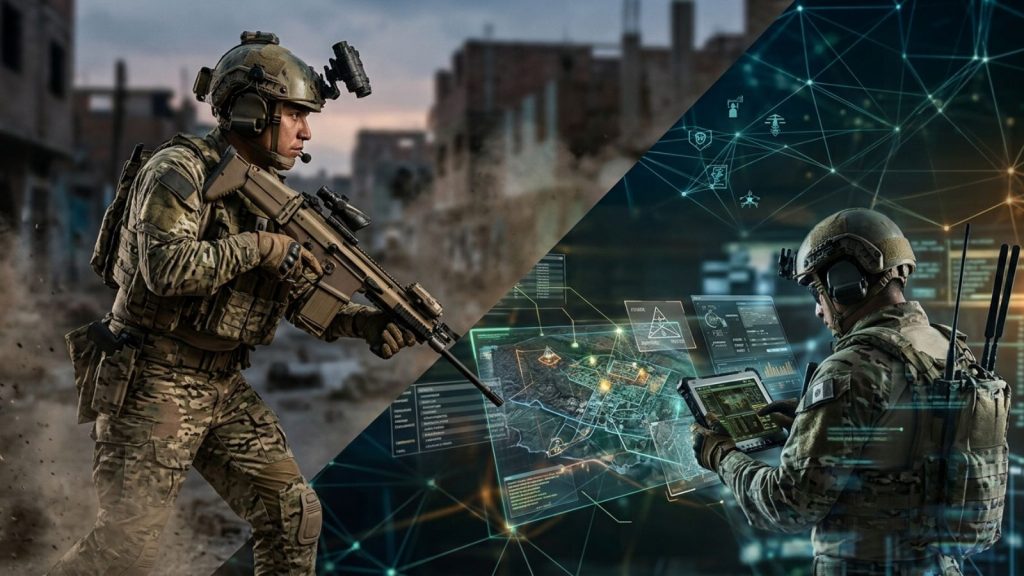
This article examines the strategic and tactical role of Special Forces (SF) within the framework of Information Operations (IO). It analyzes how these highly trained units not only execute specialized operations but also shape the adversary’s information environment. Through covert actions, intelligence activities, and narrative management, the SF help shape the adversary’s perceptions and enhance the operational advantage.
Implementation of Process-Based Management and Its Relationship with Service Quality in Major Service Units of the Peruvian Army
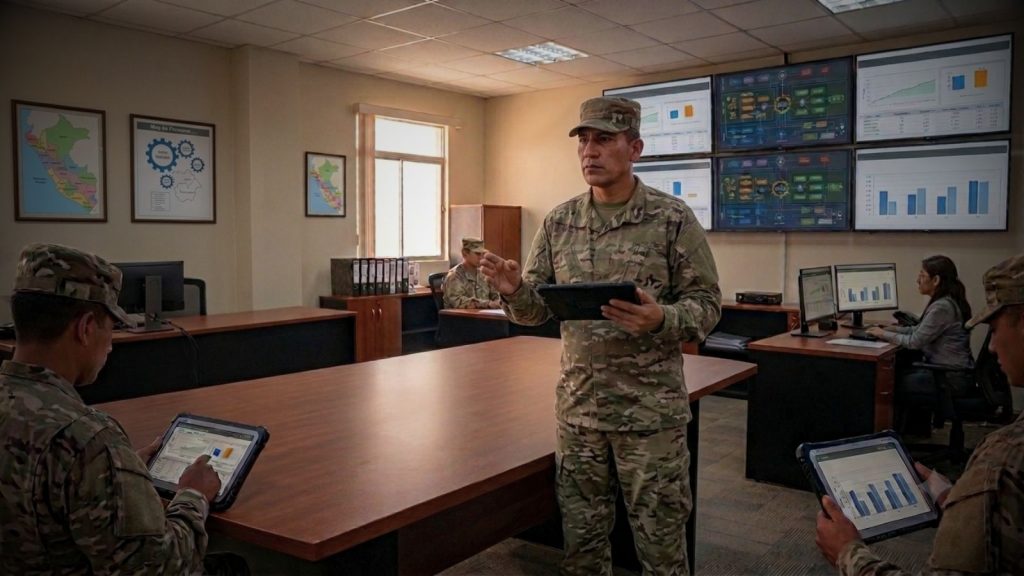
In Peru, the National Policy for the Modernization of Public Management (PNMGP) encourages state entities to provide efficient, effective, and citizen-oriented services through the adoption of a process management approach. Within this framework, the Peruvian Army, as a state institution, participates in this modernization process. However, the Major Service Units (GUS) maintain a traditional functional organizational structure that limits the efficiency and timeliness of their service delivery.
Bilateral Military Planning Model for Security Cooperation between Peru and the United States
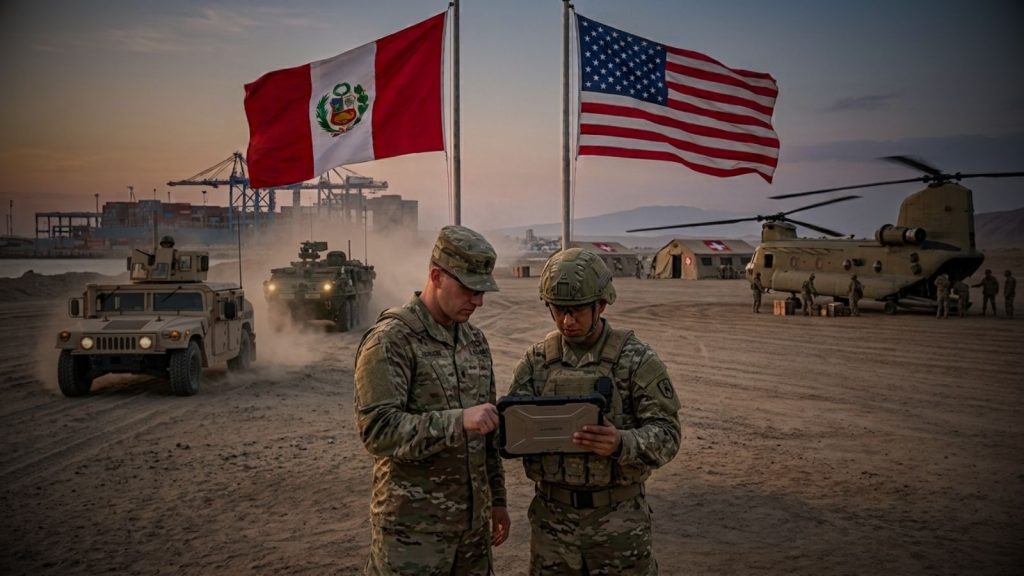
Through a documentary analysis of existing agreements and applicable national and international regulatory frameworks, complemented by a specialized review of security cooperation, this study examines the complementarity of three instruments: the 1st Security Force Assistance Brigade (1st SFAB), the West Virginia National Guard (NGWV), and U.S. Army Special Forces (SF). The findings demonstrate that the historical fragmentation of cooperation efforts has constrained the consolidation of sustainable institutional capabilities.
Military Philosophy and the Moral Power of the Army as Pillars of Institutional Reengineering
The institutional reengineering of the Peruvian Army (EP) is not limited to technological modernization or the incorporation of new operational capabilities; it requires, above all, a cultural and doctrinal transformation that places military identity, military philosophy, and moral power at the center as the structural pillars of change. In this context, this article aims to analyze the foundations that underpin institutional identity and demonstrate that these constitute the basis upon which a modern, cohesive, and effective Army must be built.
Citizenship in Peru as a Public Issue and Multisectoral National Policy: Impact on National Security and Defense

Este artículo de investigación emplea una metodología analítica-propositiva para examinar el ejercicio de la ciudadanía en el Perú como un problema público. El estudio identifica que las limitaciones en la práctica ciudadana inciden negativamente en la gobernabilidad democrática, la seguridad, la defensa nacional y el desarrollo social. El concepto se analiza desde perspectivas filosóficas y políticas, en las cuales la ciudadanía se entiende como el ejercicio pleno de derechos y el cumplimiento responsable de deberes sustentados en la conciencia social.
Corío and the Geopolitical Landscape of the South Pacific in the Context of Systemic Competition and Strategic Sovereignty

This article analyzes the Corío project as a geopolitical asset and critical infrastructure capable of redefining Peru’s position in the South Pacific and strengthening its integration into global value chains. In this context, the objective is to examine, from a qualitative strategic perspective, the scenarios related to its financing, construction, and eventual operation, assessing their implications for the state’s strategic autonomy, economic competitiveness, and the country’s comprehensive security. Furthermore, it is argued that Corío transcends its port dimension and serves as an instrument for Peru’s geopolitical integration into an international landscape characterized by systemic competition among powers, the securitization of logistics chains, and growing geoeconomic volatility.
Operations Chavín de Huántar and Cerco: Milestones in the Military Victory Over Terrorism
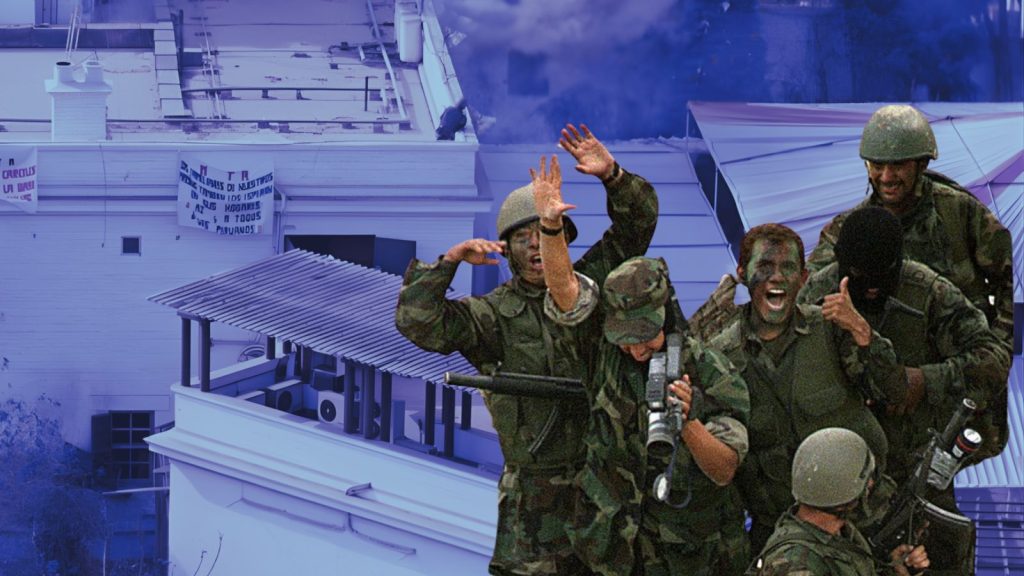
This article analyzes the strategic significance of neutralizing the military capabilities of the Túpac Amaru Revolutionary Movement (MRTA) and the Communist Party of Peru–Shining Path (PCP-SL), an event that consolidated the Peruvian state’s military victory over terrorism and brought an end to the armed phase on a national scale. It is argued that, although the terrorist phenomenon was defeated militarily, the conflict did not end but gave way to a phase of unconventional confrontation, characterized by political, ideological, legal, cultural, and narrative disputes driven by ideological remnants and affiliated networks.
Guatemala’s Security Challenges and the Government’s Response

Guatemala stands at a crossroads, besieged by transnational drug trafficking, uncontrolled migration, and the relentless grip of violent street gangs. Weak institutions and systemic corruption erode governance, fueling public disillusionment. The election of President Bernardo Arévalo signaled a rejection of entrenched elites, yet his reform agenda faces resistance from a hostile legislature and deeply rooted power structures.

