


21st Century Geopolitics and Peru in the New World Order
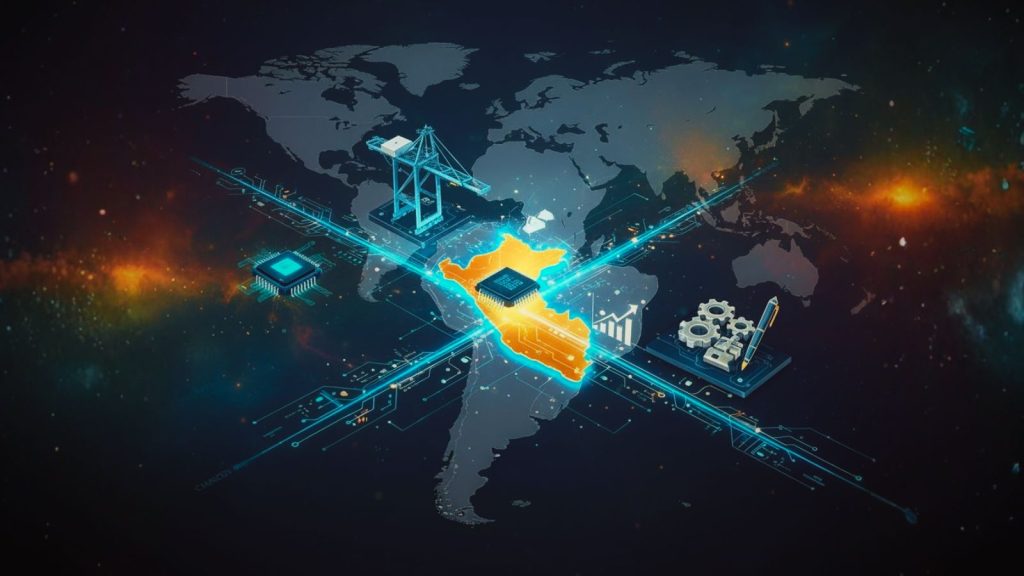
This article examines the contemporary meaning of geopolitics in the context of world reordering and Peru’s position in the new power scenarios. Through an interpretative and strategic qualitative methodology, it analyzes specialized sources and comparative regional doctrines, with the aim of understanding the factors that influence the articulation of national power. The purpose is to contribute to the formulation of a national strategy that will allow Peru to face the challenges of the international environment with autonomy and long-term vision.
Peru’s Complex Security Challenges and the Government Response
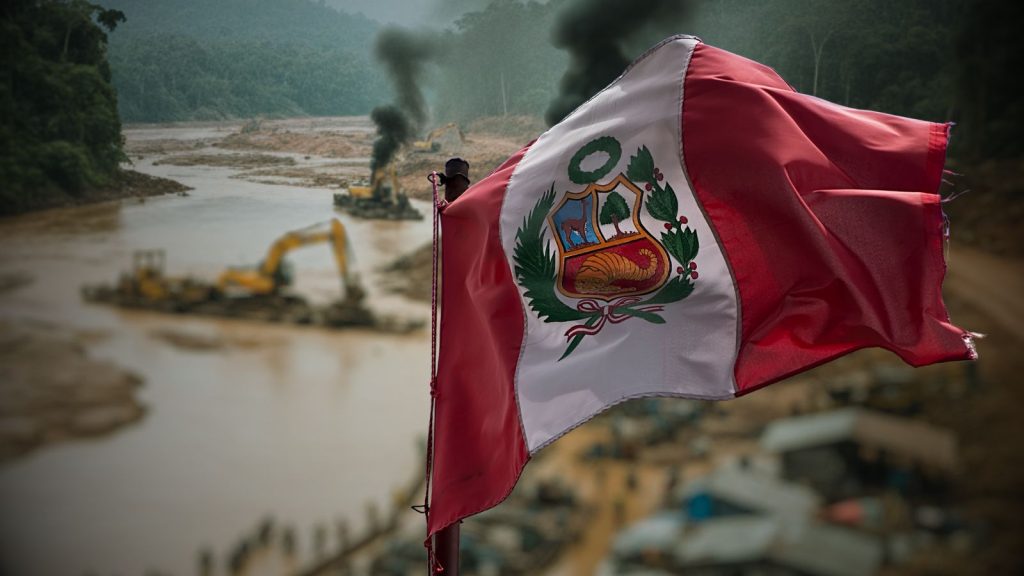
Perú se enfrenta a una profunda crisis de inseguridad, criminalidad y corrupción que se refuerza mutuamente, impulsada principalmente por la expansión de las economías ilícitas —concretamente, la minería ilegal y la producción de cocaína— que aprovechan y agravan la debilidad institucional. La minería ilegal, impulsada por los altos precios del oro y utilizada para el lavado de dinero, se ha convertido en la principal fuente de ingresos ilícitos, corrompiendo el panorama político.
Analysis of the Armed Forces’ Participation in Peru’s Sustainable Development
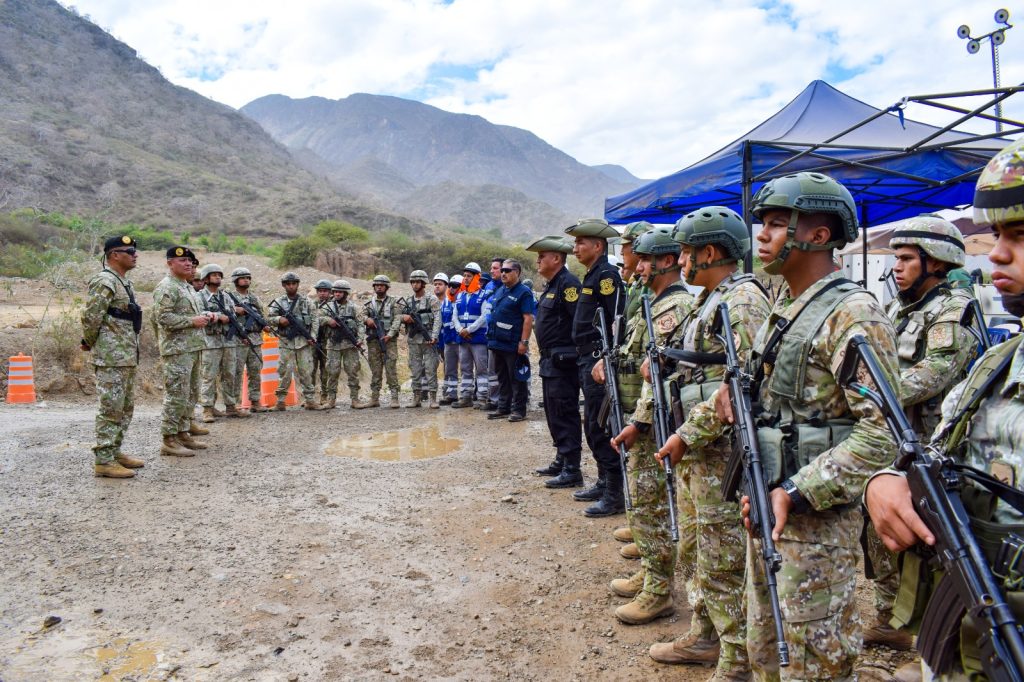
This article examines the participation of the Peruvian Armed Forces in the promotion of sustainable development from a multidimensional perspective. Through a documentary analysis, it studies the institutional contributions in the economic, social, environmental and political dimensions, within the framework of national security and defense.
The Role of Global Powers in the Palestinian-Israeli Armed Conflict
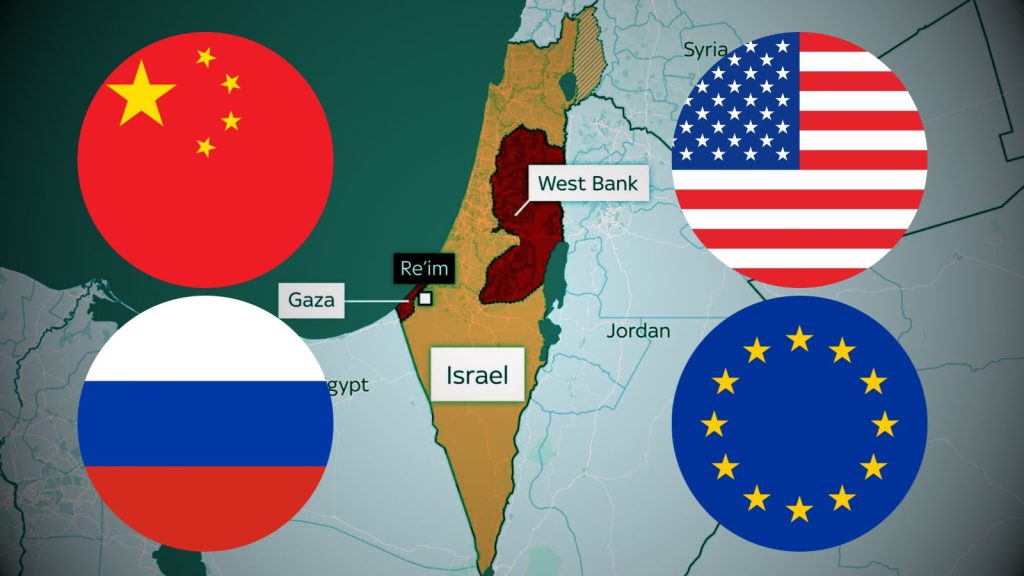
Las decisiones adoptadas por los actores internacionales han ejercido una influencia determinante en la configuración y persistencia de diversos conflictos armados. En este contexto, el presente artículo analiza el papel que desempeñan las principales potencias mundiales en el conflicto palestino-israelí, con énfasis en sus intereses geoestratégicos, económicos y diplomáticos. El estudio emplea una revisión bibliográfica sistemática, sustentada en fuentes oficiales y literatura especializada.
Argentina’s Triumphs and Perilous Path Forward Under Javier Milei
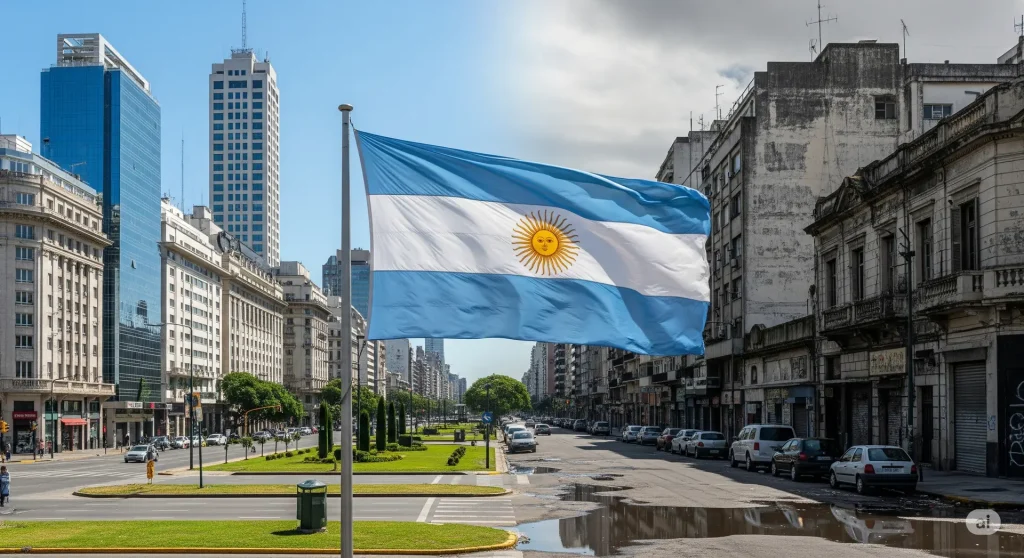
This article analyzes the surprising achievements of Argentine President Javier Milei’s government in economic and security matters, as well as the structural risks that still threaten the sustainability of these advances. In less than two years, Milei has reduced inflation, stabilized the exchange rate, significantly reduced poverty, and improved control over organized crime.
Towards the conquest of space: Challenges and perspectives of the Argentine Aerospace Police
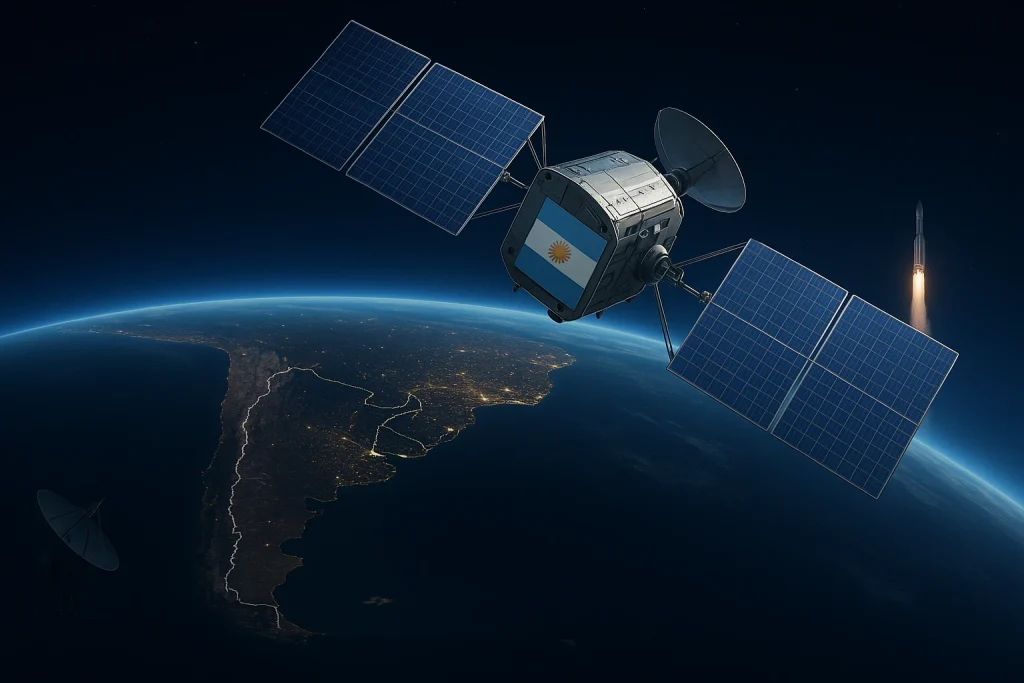
The article analyzes Argentine aerospace policy, examining its evolution and challenges in the context of the growing relevance of outer space. It reviews the international regulatory framework, highlighting the 1967 Space Treaty, and explores the implications of competition between space powers such as the United States (US) and China.
Generative Artificial Intelligence: A Prospective Analysis of its Implications for Security and Defense

Humanity is currently experiencing the so-called Fourth Industrial Revolution (4IR), which represents a profound break with the past. While previous revolutions were manifested in intellectual, economic, technological and, in some cases, political and social fields, this new stage is distinguished by the accelerated, exponential and convergent deployment of disruptive technologies.
Geopolitical Prospects in Syria After the Fall of Bashar al-Assad

The collapse of the Bashar al-Assad regime in December 2024 marked a turning point in Syria’s geopolitical landscape. The fall of the Baathist government generated a power vacuum that led to a strategic reconfiguration of the country, with national and international actors vying for influence. This article analyzes the military and political dynamics following Assad’s departure, with an emphasis on territorial fragmentation, the activity of insurgent groups such as Hay’at Tahrir al-Sham and the Tiger Forces, as well as the role of powers such as Russia, the United States (US), Iran and Turkey.
The Armed Forces in the control of internal order and in support of the Peruvian National Police for its reestablishment

The increase of social conflict in Peru has prompted political decisions on the possible participation of the Armed Forces (Armed Forces), particularly the Peruvian Army (EP), in complex scenarios. It should be noted that there is a legal framework, Legislative Decree Nº 1095, which regulates such intervention through the declaration of a State of Emergency.
Evolution of Peruvian National Security and Defense in Interaction with the United States

The objective is to analyze the incidence of the relationship between Peru and the United States (U.S.) in National Security and Defense. Peruvian policies in these areas are discussed with the U.S. The methodology used comes from the social sciences, adopting a long-term perspective. It is argued that, in order to develop national interests and objectives, managers and members of the political community must consider the geopolitics of international relations, as well as make an adequate assessment of the presence of hegemonic states and the decision margins that countries with less strategic weight can develop. From an academic perspective, it is important to contribute to timely decision-making through research and exposure to public opinion.

