


Operation Green Brazil: Contributions and Challenges for the Preservation of the Amazon
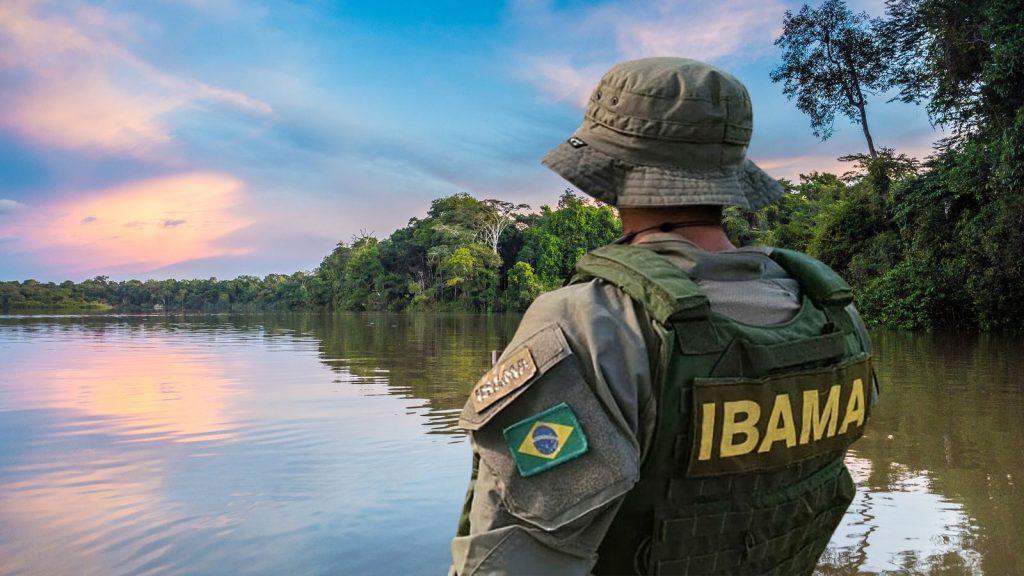
By: Alexandre Baretta (22/06/2023). Throughout Brazilian history, its Armed Forces (FF. AA.) have been present in practically the entire territory, guaranteeing sovereignty and contributing to national development. In this context, the Brazilian Army is one of the State institutions with the largest number of troops and logistical capacity in the Amazon region, which includes one of the most important and coveted terrestrial biomes on the planet. Currently, environmental guidelines and the preservation of the Amazon are issues that dominate the international stage and require effective actions by governments for the protection and sustainable development of this important heritage. In this sense, this article analyzes the contributions of Operation Green Brazil executed between 2019 and 2021 to protect and preserve the Brazilian Amazon, through actions of the Armed Forces aimed at enhancing the capacities of environmental control bodies, limiting deforestation and combating criminal organizations present in this region.
The Value of Intelligence and the Development of Military Power in the Peruvian State to Confront New Threats
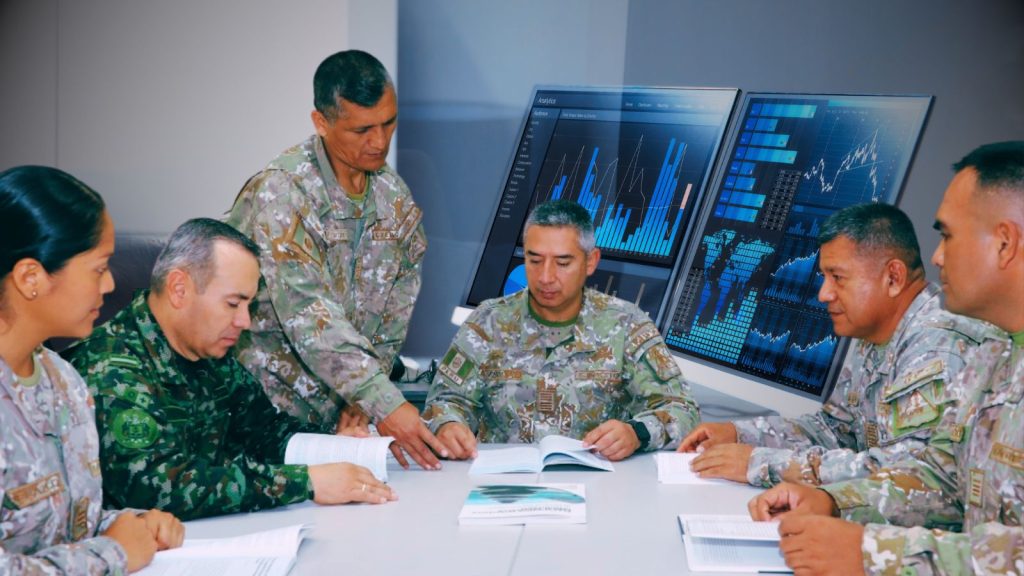
By: Oscar Flores Silva (15/06/2023). The need to find an adequate articulation of intelligence as a fundamental instrument to develop military power generated a greater impact on the armies of several countries; In this regard, the regional analysis carried out allows for a more timely view of how the use of this capacity can be guided and prepared at the strategic, operational and tactical levels. This article uses the methodology called Analytical Research compilation, developed in three parts: a conceptualization of intelligence and its value, the element of national power that allows facing the threat, as well as the conceptual articulation that can be provided to both.
Shipbuilding: Forging Ancient Competitive Development Strategies

By: Jorge Denegri Boltan (01/06/2023). The national security and development strategy identifies economic activities that make it possible to direct the efforts of the workload towards national interests. Shipbuilding is an activity within the shipbuilding industry that favors economic development, generates highly qualified jobs, and improves the country’s competitiveness; however, it needs, fundamentally, the participation of the State for its maintenance over time. In the Peruvian case, the Peruvian Navy (MGP) and the Industrial Services of the Navy S.A. function as strategic partners.
Antarctica: geopolitical and economic importance

By: María Ana Leal (25/05/2023). EIn the international context, many governments demand recognition of the occupation of certain territorial spaces, within the framework of international law and agreements. For example, Argentina was the first country (1904) to claim sovereignty and establish a permanent base in Antarctica. However, the Antarctic Treaty, signed in 1959, introduced a political governance regime that required the development of strategies and policies designed to ensure freedom of scientific research and international cooperation. The Antarctic region is important for geopolitical and economic reasons. Notable resources include the abundance of edible algae, more than 200 species of fish, and the discovery of iron and copper. Finally, its geographic location allows for air communications, via intercontinental transpolar routes.
Women, Peace and Security Agenda as a Response to Security Challenges and Threats in Latin America

By: Fabiana Sofía Perera (23/05/23). Latin America faces a number of challenges to security and defense. A focus on women’s participation in the defense sector in Latin America should be viewed as a way to address these new challenges, rather than as a challenge itself. The region has made some progress towards addressing women’s participation in security and defense, but there are still areas of opportunity.
PRC Engagement in Costa Rica

By: Evan Ellis (18/05/2023). Although Costa Rica was the first nation in Latin America to switch relations from Taiwan to the People’s Republic of China (PRC), it stands as a lesson to others that the promise of vast economic and other benefits from diplomatically recognizing China, and the reality, are very different. Costa Rica also stands as an example of how the application of transparency and good governance can help insulate a country against some of the more predatory engagements by the PRC and its companies. Costa Rica, under Rodrigo Chaves, has arguably found a healthy balance between engagement with the PRC, and political and economic policies that preserve the nation’s options as a democratic country with a healthy economy and fiscal options for pursuing its long-term development. Nonetheless, the PRC continues to advance in multiple was in the country that merit continued vigilance. This work provides an overview of China’s irregular advance in Costa Rica, including its advances, setbacks, and prospects for the future.
The Typologies of Modern Conflict and its Impact on State Security: Something New Under the Sun?

By: Carlos Ojeda Bennett and Fabián Cabello Alfaro (16/05/2023). The expressions of contemporary conflict have encouraged the dissemination of various typologies within the academic community for understanding them. However, far from being a “new” phenomenon, there are indications of the presence of complex threats as the relationship between combatants and criminals blurs, as they threaten to harm the security of States and individuals. These challenges demand strategic alternatives to confront them, in which operational foresight is included as an integral approach to guide planning with a view to anticipating phenomena, either oriented toward preventing or provoking the desired future.
Chancay Megaport: Repercussions on South American Trade and Geostrategic Impact
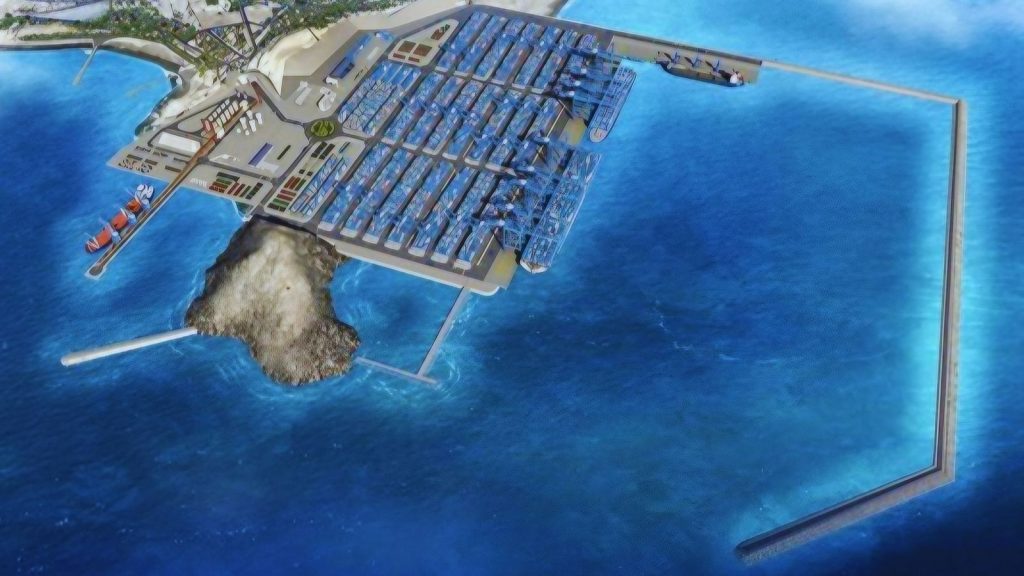
By: Manolo Eduardo Villagra (10/05/2023). China is constantly progressing to become a global leader. It is a gradual competition dating back to the 1960s, which had a favorable effect with “The New Silk Road”. This is part of a project that extends its reach to continents such as Africa, Europe, Asia and America through land and maritime trade routes that include international corridors. In Peru, the Chinese company Cosco Shipping Ports is in charge of the construction of the mega-port of Chancay, located in Huaral.
Regionalization in Peru, its Failure and a New Horizon for its Implementation. The Geopolitical Model as a Base

By: César Astudillo Salcedo (04/05/2023). Regionalization in Peru and the attempts to implement it failed, to a large extent, due to political, economic and social factors; Therefore, it is relevant to analyze the risks and challenges associated with this important process for Peruvian society. At present, it is easy to show that social and economic exclusion has a direct relationship with the territorial dimension. In this sense, the hyper concentration of power will always be a crucial aspect in any authoritarian model.
Violent Social Demonstration and Democratic Instability

By: Vicente Torrijos and Daniel Jiménez (27/04/2023). Social protest in Latin America is part of a regional regulatory framework that recognizes it as a peaceful and democratic citizen action. Although most of the states in the region recognize themselves as democratic, the social mobilizations that took place in 2019 hinted at the fissures suffered by democracies in the hemisphere. Social protest, which by definition must maintain a peaceful character for the assertion of rights, has been marred by acts of violence that have affected the institutional order of countries. The response of the security forces to such a threat has been tested in its ability to accommodate the rights at stake. This article analyzes the participation of social movements in the social protest that took place in Latin America during the mobilizations of 2019 and how these actors may exacerbate the political-social conflict in the States of the region.

