


Venezuelan Migration: National Security Concern or National Development Opportunity?

By: Alex Juan Cárdenas Medina (20/04/2023).
Peru is the country that has received the second largest number of Venezuelan migrants and refugees in recent years, generating various challenges for the Peruvian State. In fact, the National Multisectoral Policy on National Security and Defense to 2030 considers foreign migration a national security concern because it conveys a view of an unfavorable situation that hinders national development. In this context, this paper analyzes whether Venezuelan migration should be considered a national security concern or, on the contrary, should be perceived as an opportunity for national development. To this end, we have reviewed the current migration regulations, the profile of Venezuelan migrants in Peru, and their impact on development and national security.
The Challenge of Unrestricted War on Modern Conflict in Latin America

By: David Spencer (06/04/2023).
This article discusses the concept of Unrestricted Warfare and its doctrinal origins. It then shows how this concept has been applied in Latin America starting with the social protests in Bolivia from 1995-2005 that brought the MAS party to power and finally briefly discussing the similarities and differences of recent mass social protests in Chile, Colombia, Ecuador and Peru between 2019 and 2021.
The Operation of Airports to Manage Humanitarian Aid: A Constant Challenge for the Peruvian Armed Forces
By: Juan Ruesta Changman (30/03/2023).
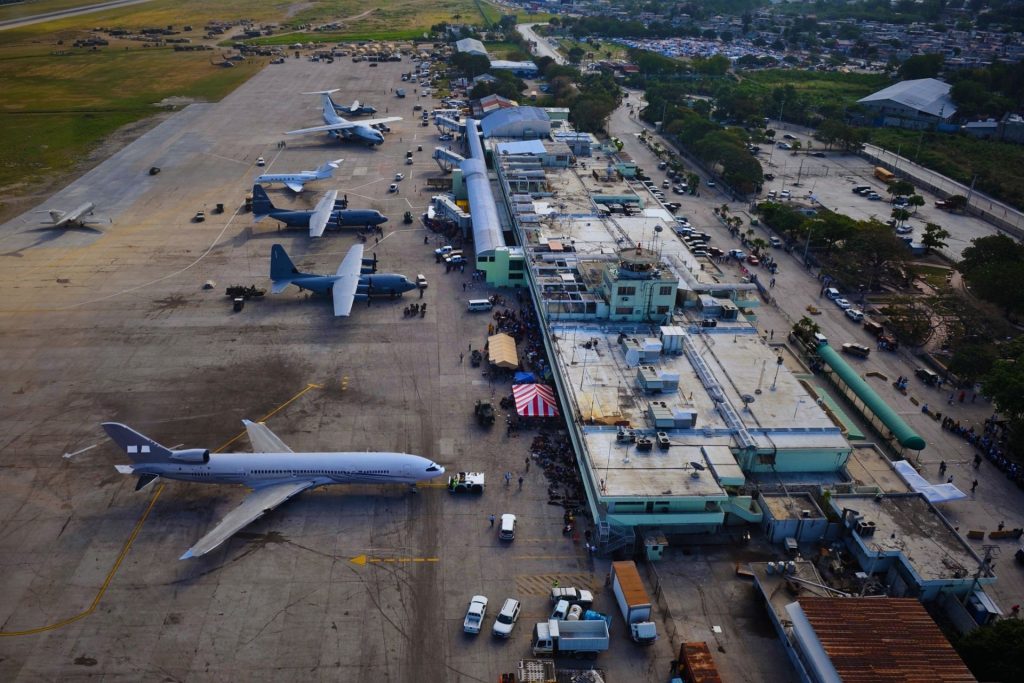
This article analyzes the need to convert an airport into a logistics center for the management of humanitarian aid in the event of a large-scale earthquake, since -generally- its installed capacity is exceeded. Given this, the Operational Commands of the Joint Command of the Peruvian Armed Forces must be prepared to quickly overcome the critical moments after the earthquake and ensure the operation of the airport closest to the disaster zone in order to turn it into an efficient logistics center for the management of humanitarian aid. In view of the preparation phase of the Law of the National Disaster Risk Management System of Peru, it is essential that the Operational Commands organize the available resources and include entities or companies that can support the management of the airport, in order to increase the logistical capacity for the handling of large volumes of humanitarian aid.
Venezuelan Migration in Peru: Perceptions and Realities

By: Paul Vera Delzo (23/03/2023).
The deep crisis in Venezuela has generated the largest migratory flow in Latin America. It is estimated that, by the end of 2022, Peru -the second host country after Colombia- will have a population of Venezuelan migrants and refugees close to 1.45 million. In this regard, it is clear that no population is prepared either to forcibly leave their country of origin -due to the critical existing crisis- or to welcome a large number of immigrants in such a short time, generating a context of extreme vulnerability for the migrant population, as well as discomfort and even rejection in the host or receiving population. Achieving the full integration of the Venezuelan population into Peruvian society and economy requires the decisive involvement of the State and civil society with a view to promoting an intensive and progressive change of mentality among Peruvians (moving from rejection to empathy) through education and culture. Otherwise, situations could arise that seriously affect not only security, but also the stability required for the integral development of the country.
European and Maghrebi Dilemmas in the Western Sahel
By: Carlos Echeverría Jesús (14/03/2023).
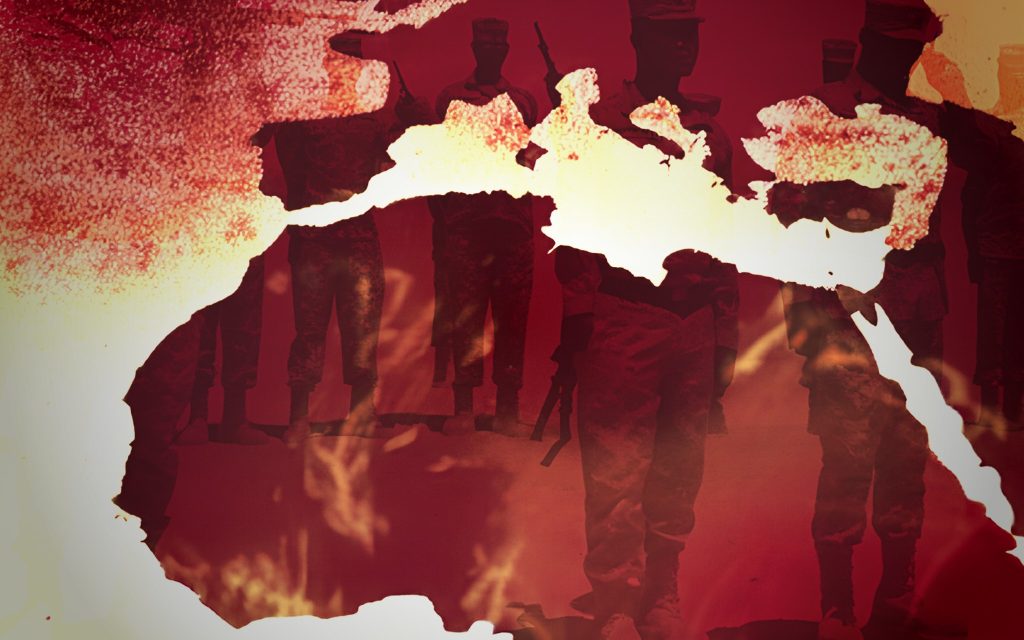
Two successive coups in Mali and two in Burkina Faso in recent times, consummating in both countries two military-led governments that take us back to old coup scenarios in Africa, make relations with both countries increasingly difficult for Western states that, with France at the head in terms of military contribution over the past decade, had been supporting their fight against powerful jihadist actors. The progressive deployment of Russia, both by regular means and with irregulars belonging to the private military company Wagner, and the efforts of two Maghreb countries, Morocco and Algeria, to reposition themselves in such a convulsive scenario, characterize the present and shape the future of this sub-region.
Cybersecurity in Latin America: Challenges, Concerns and Opportunities
By: Boris Saavedra (09/03/2023).
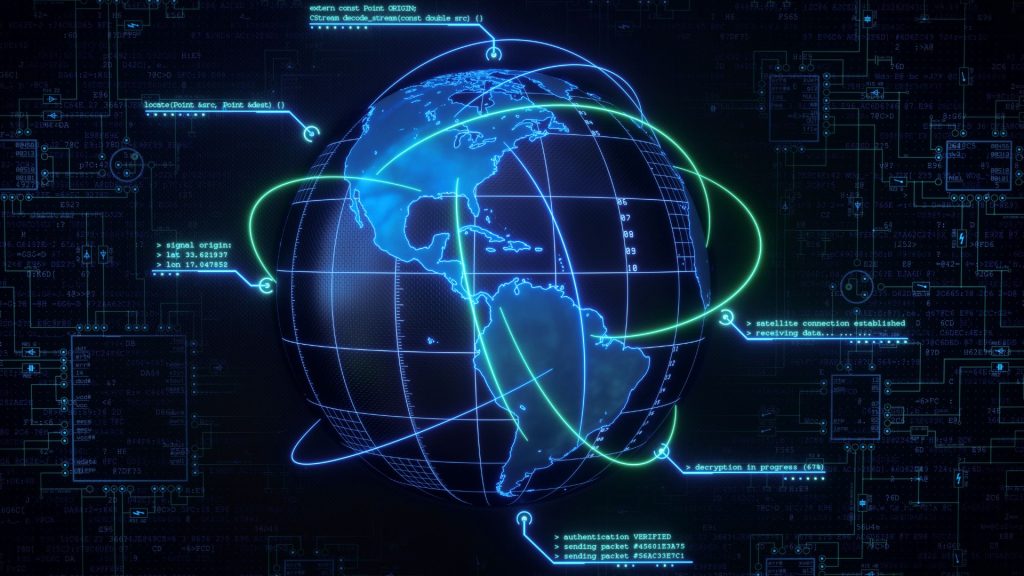
The COVID-19 pandemic has intensified the evolution of global geopolitics, and emerging digital technology has become its center of gravity. The lack of cybersecurity policies and strategies to address the vulnerabilities to freedom of expression in cyberspace, the use of Artificial Intelligence, 5G wireless communications, critical infrastructures, cyber diplomacy, cryptocurrencies, as well as cloud technology for data storage and use are important sources of threats and challenges for cybersecurity in Latin America. This situation has created great opportunities for the cybersecurity sector to respond to the increase in attacks in cyberspace, including a growing number of companies that require such services. In this context, this article analyzes -politically and strategically- the threats, challenges and opportunities presented by cybersecurity in Latin America.
PRC Engagement with Central America – An Update
By: Evan Ellis (07/03/2023).
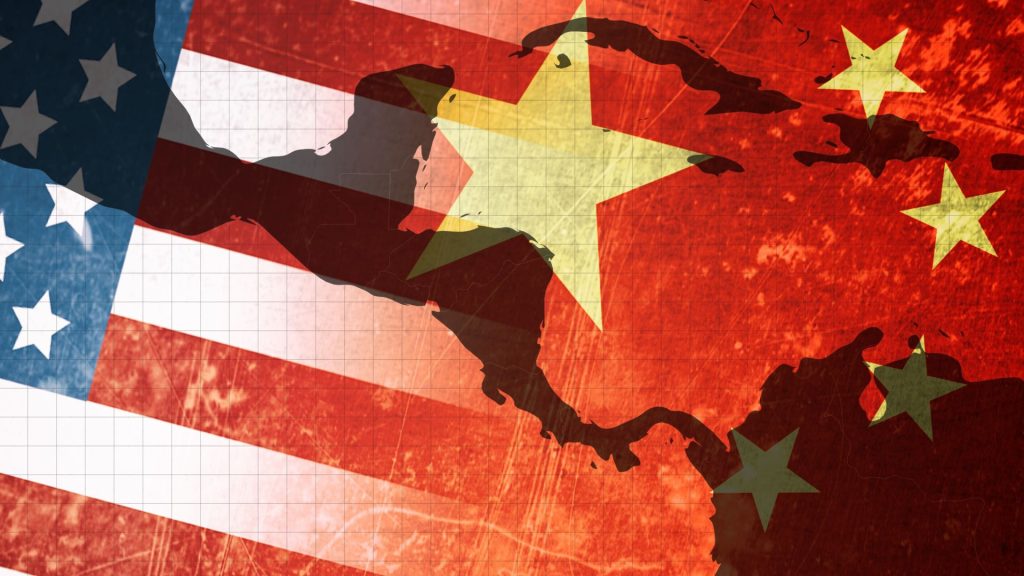
Central America has become a strategic area for China’s activities both because of its proximity to the United States and because of the economic, commercial and logistical momentum developed in recent years. Likewise, this region is important to expand Chinese geopolitical influence on the case of Taiwan, due to the interest of President Xi Jinping who wants to politically put this country under his control before the end of his third term in 2027. The Asian nation is taking advantage of the leftist governments in Central America to accentuate its international political position, achieving changes in the diplomatic recognition of Taiwan to the People’s Republic of China by nations such as Panama, El Salvador and Nicaragua, a situation that is increasing tensions with the United States, the same that defends the sovereignty of Taiwan.
Digital Transformation Applied in the Brazilian Army and in the National Territory
By: Leandro Mendes da Costa (02/03/2023).
Digital transformation is an evident reality in the world. In this regard, some South American countries are immersed in this process of digital evolution. Among them, Brazil presents some positive examples in its public management of digital transformation implementation, while in Peru the GeoPeru platform stands out as a success in data integration. Thus, this article aims to show the results of technological implementations conducted by the Federal Government of Brazil and the Brazilian Army, related to digital transformation, which generated positive effects in public and private management.
Evolution and Impact of Gangs in Central America and Brazil

By: Douglas Farah and Marianne Richardson (23/02/2023).
Two prison-based gangs –the Mara Salvatrucha (MS-13) in Central America and the Primeiro Comando da Capital (PCC) in Brazil– amassed military, economic and political power, as well as extensive territorial control, to the degree that they now pose existential threats to the states in which they operate. They now form key components of formidable transnational criminal structures with deep ties to drug trafficking and other criminal activities on multiple continents. The groups honed their rise using different models and retain significant differences in structure and capabilities. Despite this, both are now key drivers of corruption, violence, criminal activity and alternative governance structures that pose a significant challenge to democratic governance across Latin America. These violent non-state armed groups are rooted in their home communities. In many places they are viewed as more legitimate authorities than the state, making effective action against them extremely complex and difficult.
Influence of the French and American Reforms on the Organizational Culture of the Peruvian Army

Por: Luis David Sánchez Velásquez (09/02/2023).
This paper analyzes the military missions that -in the 20th century- generated two turning points in the Peruvian Army and whose thinking has transcended time, permeating the organizational culture of its officers. To appreciate the influence of these military reforms on Army officers, the context of each process has been evaluated by means of documentary review and interviews. As a result, we found that the French reform generated an officer with rigidity and lack of flexibility, while the U.S. reform generated a more analytical officer for decision-making. Finally, we concluded that the Army officer, although analytical and meticulous, is rigid in the fulfillment of his activities, following a rigid format.

