


Russia in Latin America: Variable Geometry of a Secondary Actor with Protagonist Aspirations
By: Carlos Malamud Rikles y Rogelio Núñez Castellano (22/12/2022).
Russia’s role in Latin America is framed in the changing global geopolitical context. Its renewed role in the region since 2008, reinforced following the invasion of Ukraine, is linked to that conquered by other emerging powers. Latin America perceives Russia as an option to diversify its international and economic-commercial relations, and break its historical dependence on the United States, as well as the current one with China. Moscow, however, has contributed to the fragmentation, polarization, reprimand, and subordinate position of the region. In the medium term, Russia could see its regional room for action reduced due to the growing Chinese potential and the authoritarian drift of Vladimir Putin’s regime nullifying Moscow as a possible ally for most Latin American countries.
New Developments in China-Latin America Engagement

By: Evan Ellis(20/12/2022).
This article examines the evolution of PRC activities in Latin America. It finds that the effects of COVID-19 and Russia’s Ukraine invasion, in combination with factors internal to the PRC, impeded the PRC advance in recent years, but that those restraining factors are dissipating, while sources of PRC leverage and associated opportunities are increasing, including the PRC’s increased importance as a commodity purchaser, source of loans and investments, as well as the need and willingness of the region’s increasingly left-oriented governments to work with the PRC. This work also examines how the PRC has increased its focus on strategic minerals, green energy, and both physical and digital infrastructure in the region, as well as space and military engagement. It also highlights the importance of the ongoing PRC campaign, focused on Central America and the Caribbean, to convince the region’s governments to derecognize Taiwan, advancing PRC influence and economic penetration of the states that change.
Residual Organized Armed Groups and Cross-Border Threats in Alto Putumayo

By: Manolo Eduardo Villagra (1/12/2022).
During the last decade, coca leaf cultivation has increased significantly in Colombia, with the residual organized armed groups (grupos armados organizados residuales, GAOR) being the main actors involved in the illicit drug trade in the border area between Peru and Colombia. Since 2016, the GAOR have been considered criminal organizations that not only base their economy on illicit activities, but also violate the human rights of the communities living in that region. In the absence of the Peruvian state, the GAOR have consolidated themselves in the area and their economic activities – to a large extent – are the only alternative for the surrounding population to escape poverty. In this sense, this article analyses the impact of the GAOR on security and national development.
Reflection on the Future of the Military Transformation
By: Jaime Guillermo García Covarrubias (24/11/2022).
This article analyzes the essence of military transformation and proposes a methodology for its better understanding and application for an armed organization. It is suggested that military transformation be a permanent process of adaptation, not only in the face of new forms of conflict but also in the face of changes that occur in the sphere of society. Therefore, the understanding of the triads of the areas involved in the analysis methodology acquires significant importance. Threat vectors are also presented, warning that their normal uniqueness will be a combination of these dangers. In this sense, the development of disruptive technologies and their effect on the cognitive and social sphere require special attention since they will shape the years of present and future generations.
Transnational Organized Crime in the Triple Border between Brazil, Colombia and Peru
By: Juan Carlos Aristizabal González (17/11/2022).
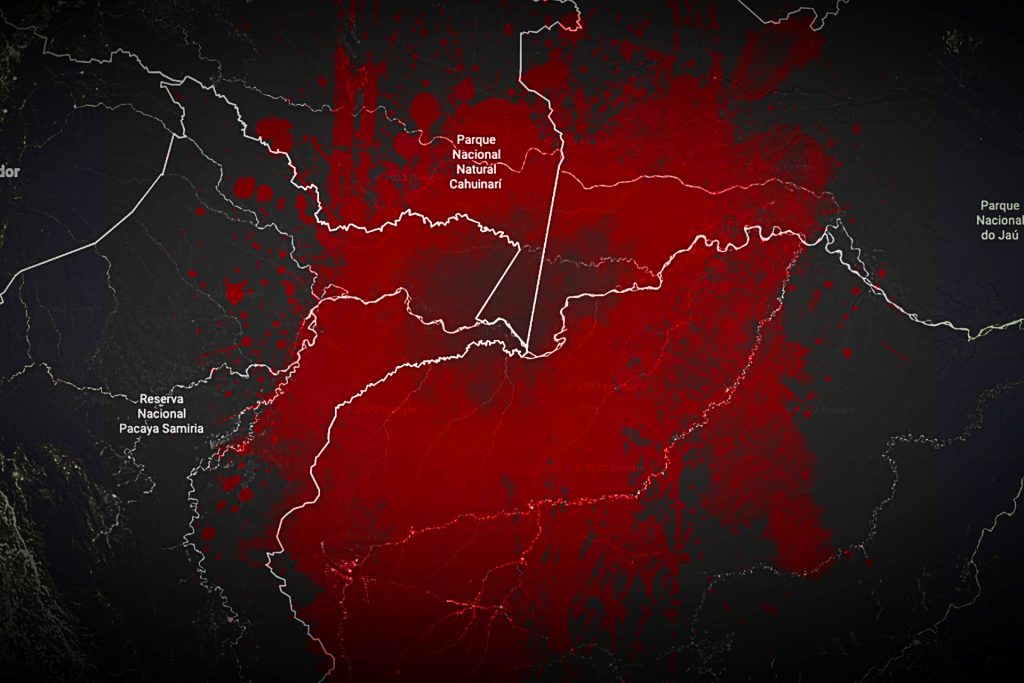
The triple border between Brazil, Colombia and Peru, due to its characteristics and vulnerabilities, has become an area where organizations involved in transnational organized crime (TOC) converge. In this regard, this article analyzes the interaction of organized armed groups and organized crime groups with the TOC, which is reinforced through illicit economies on the borders of these three countries. It also describes the effects of the TOC and analyzes whether the mechanisms and strategies to combat it -conceived in the Defense and Security Policies- have achieved the expected results.
Argentina’s Strategic Game Facing China’s and U.S. Interests
By: María Ana Leal (02/11/2022).
The interests of the great economic and military powers determine – and even condition – many of the dynamics and decisions of medium-sized countries such as Argentina and will continue to do so within the framework of a certain margin of autonomy that these States can acquire through intelligent actions. In this sense, it is possible to redefine a foreign and national defense policy based on the prevalence of a strategic culture that does not necessarily share the guidelines and preferences of the country that concentrates the greatest world power, with all that this implies. This article analyzes the strategic cultures, threat perceptions, and behaviors of both the People’s Republic of China and the United States in Argentina in order to understand the actors involved.
Lethal Autonomous Weapons: Means of Defense and Attack
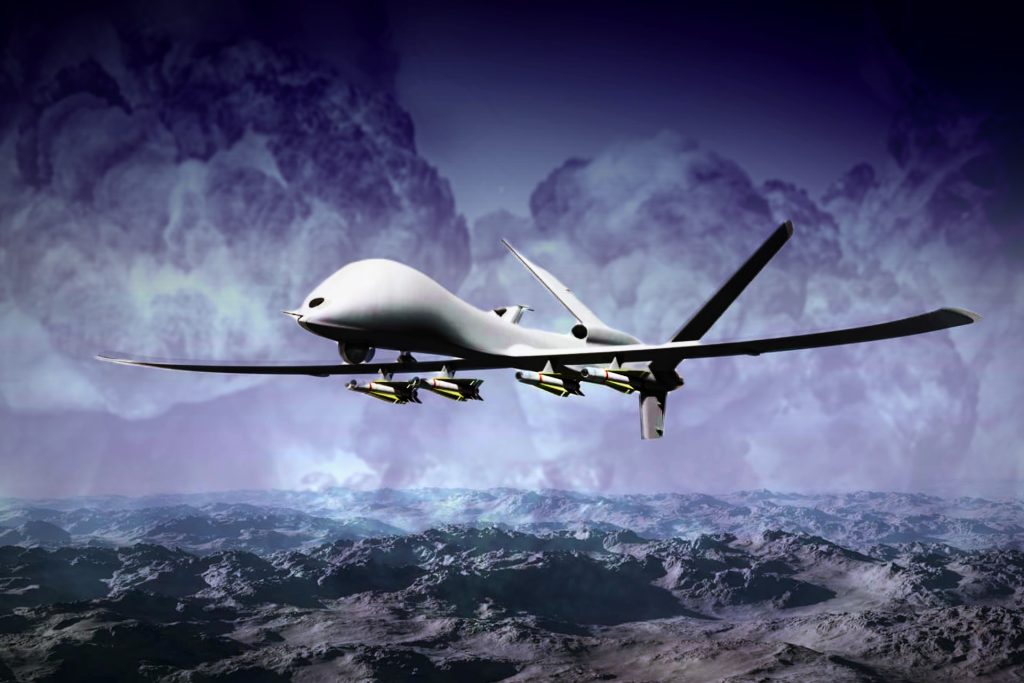
By: Adolfo Arreola (27/10/2022).
The deployment and use of lethal autonomous weapons (LAW) systems with self-determination in their critical functions can have an impact on international security by initiating a new arms race, promoting the escalation of unpremeditated violence, and lowering the threshold for the legitimate use of force for decision-makers. In this regard, this article identifies some of the military applications assigned or potentially assignable to LAWs and analyzes the challenges for their use in twenty-first century conflicts.
A Preliminary Look from Washington at Colombia’s New Direction and Security Challenges
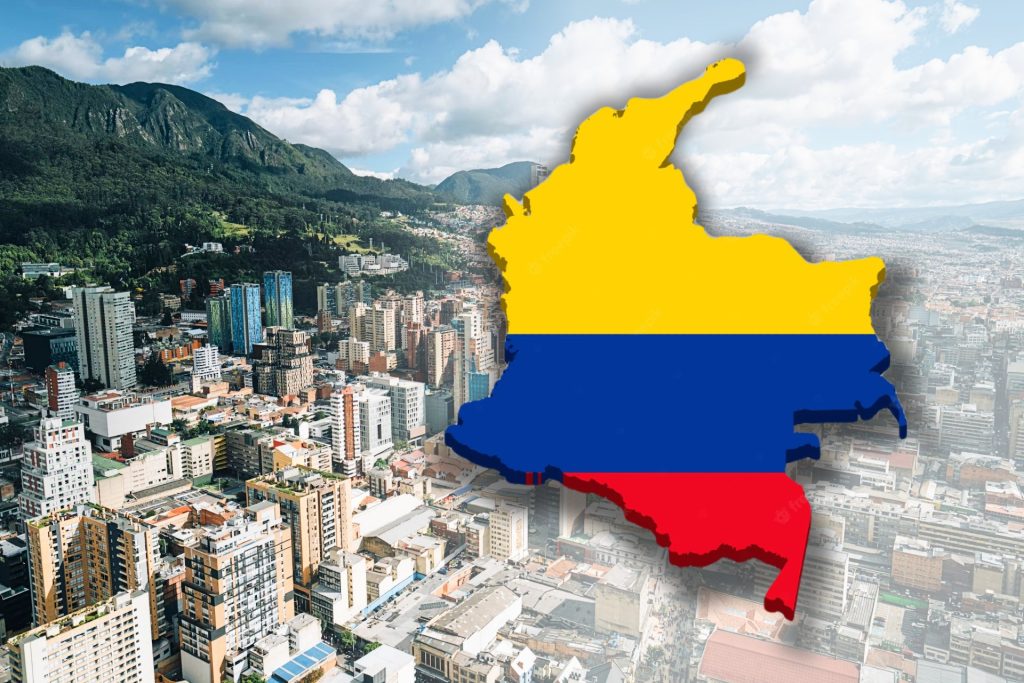
By: R. Evan Ellis (19/10/2022).
This work examines the likely direction of the Gustavo Petro administration in Colombia in the arena of economic, security and foreign policy, and associated challenges. Its analysis is based on key personnel appointments, statements, and initial policy actions. It argues that the administration will likely have the will, personnel, and legislative support to at least partially implement its agenda of radical change. Its ability to avoid economic deterioration and capital flight, implement the “total peace” which it seeks, and avoid a deteriorating security situation and weakened military and police capabilities will be critical. The basis of its relationship with the U.S. will also shift, creating tensions, but both sides will work to maintain a positive tone.
Organizational Climate in the Peruvian Army: The Permanent Challenge of the Leaders

By: Johnny Romaní Vargas (29/09/2022).
The organizational climate is one of the key factors for the fulfillment of the goals and objectives of an organization since there is a significant relationship between the organizational climate, satisfaction and work performance. Through the development of an adequate organizational climate in the units and dependencies of the Army, it is possible to motivate personnel, increase the level of efficiency at work, guide subordinates efficiently, fulfill daily tasks and develop the appropriate skills to adapt and cope with unforeseen situations. In this sense, leaders need to know the main problems that influence the performance of the human factor, as well as acquire skills to successfully lead their staff, influencing their emotional state and positively impacting job satisfaction and performance. This article analyzes the challenges faced by a military leader and the capabilities he must develop to achieve an adequate organizational climate in army units and dependencies.
Peruvian interests and the “Belt and Road Initiative”
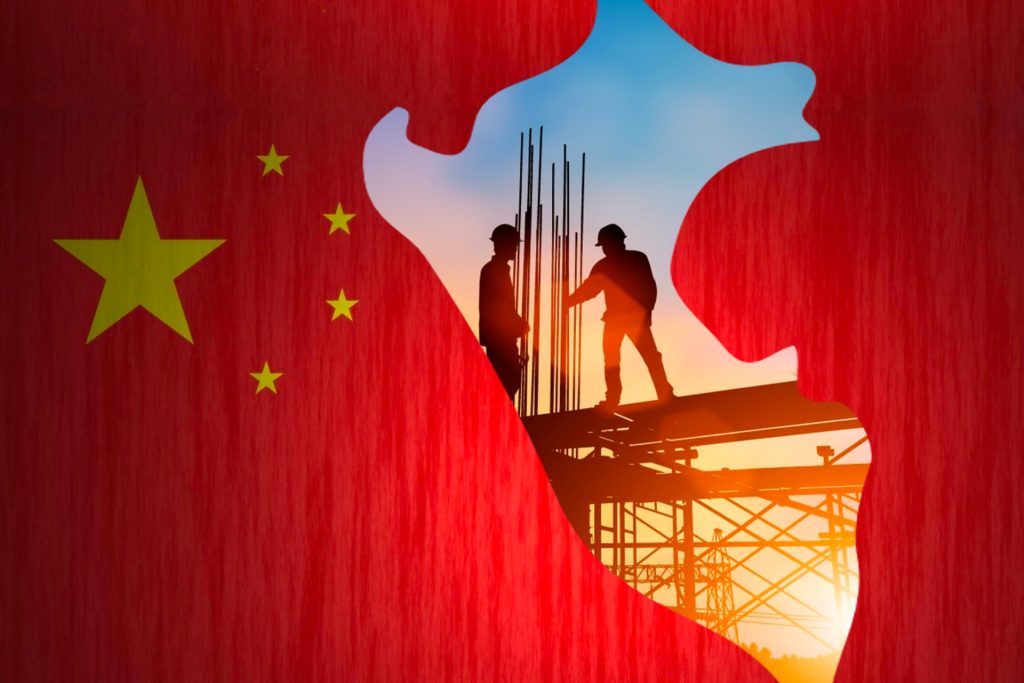
By: Miguel Estrada Terrones (22/09/2022).
This article analyzes the importance of the inclusion of Peru in the great infrastructure and road connection initiative called “the Belt and the Route”, launched by the People’s Republic of China (PRC). This initiative aims to unite the world through a series of projects that integrate the countries of Asia and Europe with the countries of Latin America, Africa and the Middle East. This project foresees, in this part of the continent, the construction of new ports, railways, highway axes, terminals and logistics centers, for which the PRC would become the main financier of these works, promoting agreements with the States involved. In this context of challenges and given the importance of these works, Peru faces the need to consolidate the financing of two large projects: “the bi-oceanic railway between Peru and Brazil” and “the megaproject of the North Pan-American railway train”. In that sense, this article aims to draw the reader’s attention to this important issue, since Peru -being a country that requires large investments to develop its main infrastructures- should analyze and minimize the risks associated with its involvement in this ambitious initiative of the PRC.

