


Preparation of Peru’s National Multisectoral Policy on National Security and Defense to 2030 in the face of Digital Transformation Threats and Hybrid Wars
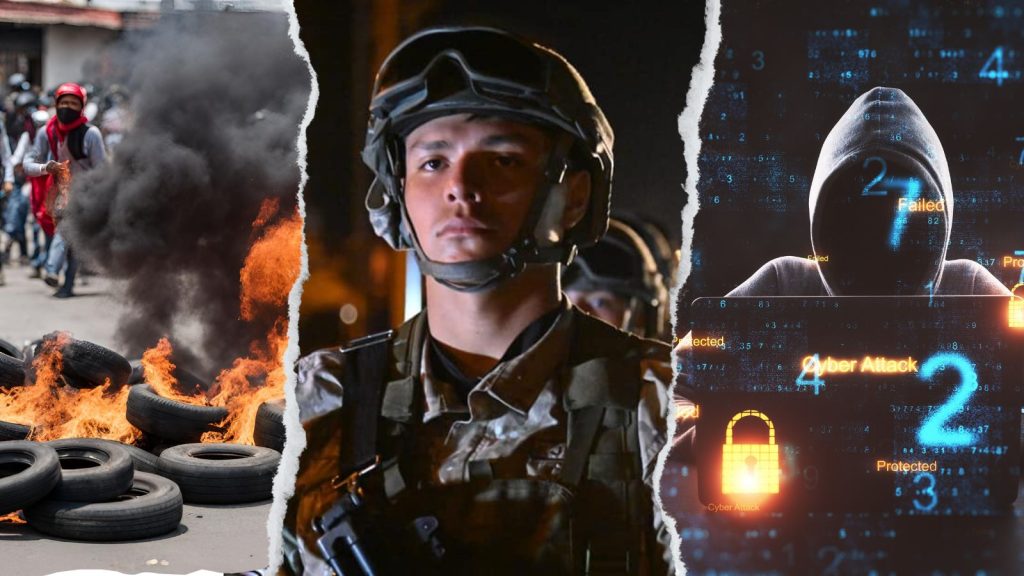
By: Camilo Amado Asenjo (04/04/2024). In recent times, the digital revolution has brought about fundamental alterations in the way societies operate. As a result of this shift, an increase in the hybridization of warfare emerged, motivating nations such as the United States (US) and China to develop strategies to address this transformation. In this context, this research aims to evaluate Peru’s most recent defense and national security policy, enacted through Supreme Decree No. 005-2021-DE, to determine whether it includes measures against hybrid threats.
Future Tasks and Challenges for the National Army, a Holistic Look at Security and Defense

By: Carlos Alfredo Castro Pinzón and Luz Martha Melo Rodrigues (14/03/2024). The article focuses on analyzing the new challenges for the Colombian National Army (CNA), which requires a full understanding of its functional organization, based on the Chiefs of Staff, Plans and Policies, Force Generator and Operations. These are based on the structural basis of the human being, technology, research and capabilities from the functions of conducting warfare, which refer to the tasks and systems united to develop the purpose of the commanders in terms of fulfilling the missions and objectives set by the Force.
Water, a Vital Resource: From a National Security Perspective

By: Manolo Eduardo Villagra (07/03/2024). The objective of this article is to conduct an analysis that addresses the impending water crisis and its global scope, which presents a focus on its implications for national security and the participation of the Armed Forces; in consideration of water scarcity, pollution and geopolitical tensions associated with access to this vital resource, for which a methodology of review of literature is used, accompanied by a deep reflection on the proposed topic; Therefore, the conclusion is that the Peruvian Army has a strategic role in the protection of this vital resource for the surveillance and control of critical areas, inter-institutional, multi-sectoral cooperation and multi-sectoral support are essential to ensure the water sustainability of the country.
Organizational Culture: Essential Element in the Peruvian Army Transformation Process

By: Roberto Carlos Alonso Tapia (29/02/2024). Nowadays, organizations face a globalized world in constant evolution. It is important to understand that they are immersed in a continuous cycle of transformation, therefore, it is imperative to adapt to this dynamic. Organizational culture plays a crucial role in the quest for institutional transformation. The purpose of this article is to analyze the importance of organizational culture within a conceptual framework, as well as to show its levels and types, based on studies. This is carried out in order to examine the relevance in relation to strategic objective No. 8 of the Institutional Transformation Plan 2020-2034: “Changing the institutional culture”.
Command and Control in the Peruvian Army: Methods, Analysis and the Innovative Method Awqa Humalliq
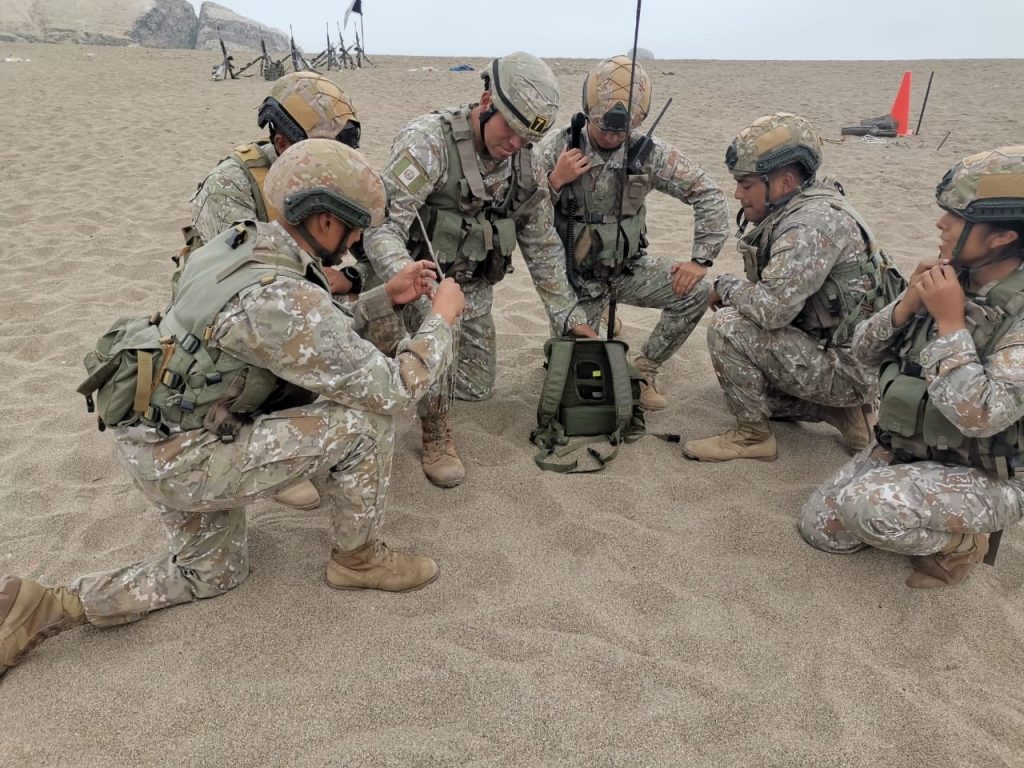
By: Percy Favio Gonzales Cáceres (15/02/2024). The concept of command and control in the Armed Forces (Armed Forces) is widely used, although not necessarily known by all. It implies the exercise of authority and direction by a military leader over his subordinates. In addition, within this sphere, there are different command and control methods, such as Mission Type Command and Detailed Control. These have their roots in the Prussian concepts known as Auftragstaktik and Befehlstaktik, respectively. In this sense, Mission Type Command is characterized by granting autonomy to subordinates to make decisions in the field, based on general objectives and the commander’s intent.
Comparative Models of Counterinsurgency: British and French Traditions and their Applicability in Contemporary Conflicts
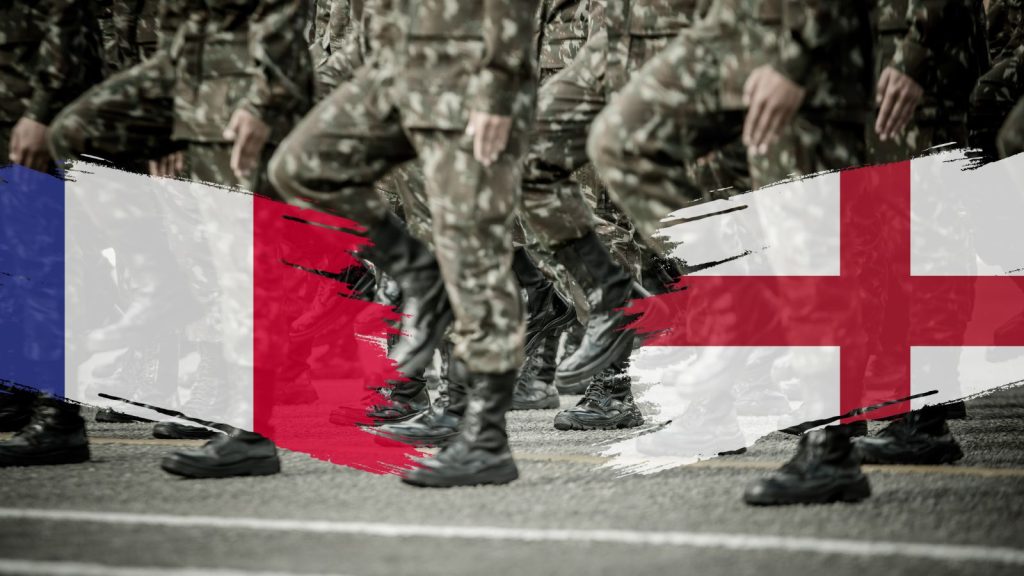
By: Luis Alexander Montero Moncada (08/01/2024). The purpose of this article is to carry out a comparative analysis between the British and French counterinsurgency models. The purpose is to identify the differences and relevant aspects between both models, in order to address the requirements of counterinsurgency in contemporary conflicts, which are full of multiple elements of gray zone, extremely irregular actors and means. To achieve this, first an overview of counterinsurgency will be presented, then the British model will be examined in detail, followed by a review of the French model. Finally, comments will be made to highlight some of the most significant aspects of the application of these models in the context of contemporary counterinsurgency warfare, which is characterized by extremely ambiguous and nebulous scenarios.
Strategic Implications of the Deterioration of the Rules-Based International Order

By: Evan Ellis (01/02/2024). The multiple crises currently playing out in Ukraine, the Middle East, the Taiwan straits, and even Guyana’s Essequibo region, reflect a deterioration of the rules-based international order that has served as the foundation for economic growth, technological progress, and the limitation of interstate conflict since the end of the Second World War. The current deterioration is a product of the expansion of PRC economic and other power as the country pursues its interests, complimented by the enabling effect of that pursuit on a range of illiberal states, with distinct agendas, but united by a common interest in limiting the constraints of that order as they pursue their own interests.
Technological Development in the Peruvian Army: A Strategic Perspective for Institutional Transformation
By: Franklin Huayán Monzón (11/01/2023). The Army of Peru (EP) is undergoing a transformation process guided by the Institutional Transformation Plan (PTI), which established clear strategic objectives to reverse its problematic situation and achieve the desired future. This research proposes technological development as a form of action that contributes to the efforts made in this matter. To this end, a bibliographic review of legal norms is carried out in which a developing phenomenon is observed and described without altering its methods. Hence, the analysis in the light of the National Policy for the Modernization of Public Management (PNMGP), to measure the social impact it generates, concluding that to cover the logistic gaps, technological advances in science must be taken advantage of with a holistic and long-term vision.
Cyber Defense: The Challenges of the Virtual World

By: Enrique Rivero Belveder (04/01/2023). The importance and evolution of Information and Communication Technologies (ICTs) in cyberspace operations have increased the dangers posed by cybercriminals. In this sense, the platforms or systems of the country’s institutions could be violated causing a national state of emergency.[1] Therefore, the Armed Forces (“FF.AA.”) are subject to the provisions contained in Article 51 of the Charter of the United Nations. It is also governed by the norms of international law such as the Universal Declaration of Human Rights (UDHR) and International Humanitarian Law (IHL).
The Nature of Threats in Pan-Amazon

By: Oscar Medeiros Filho (21/12/2023). For decades, the Amazon Region has become a strategic and National Defense priority for Brazil. In addition to the vast territorial extension and the abundance of natural resources still little exploited, the region has gained prominence for concentrating the three dimensions that present threats to national security: 1) geopolitical or traditional issues; 2) security threats, related to state vulnerabilities, institutional weaknesses and the fight against illicit acts of all kinds; and 3) socio-environmental challenges.

