


Transnational Consequences of the Colombia – FARC Peace Process
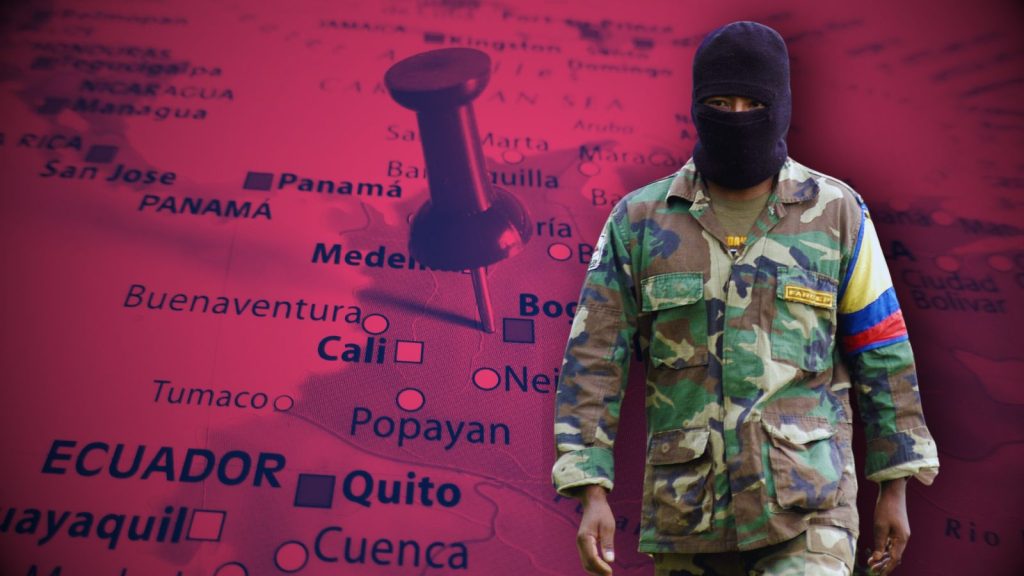
By: Orlando Quiñones Marriaga (11/07/2024). The Colombian government and the Revolutionary Armed Forces of Colombia (FARC) signed a peace agreement in 2016, triggering collateral effects that impacted part of the continent. Specifically, groups that did not participate in the negotiation continued with criminal actions. This situation especially affected neighboring countries and led to a transfer of crime from one territory to another, even establishing alliances with criminal gangs from bordering states.
Alto Huallaga: A Success Story
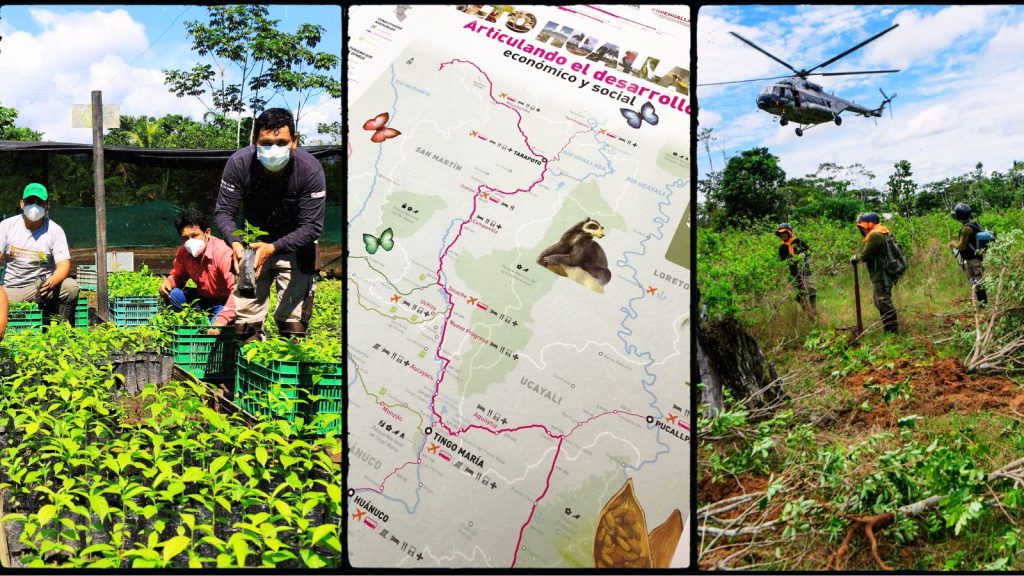
By: José Manuel Qwistgaard Suárez (04/07/2024). This article analyzes the success of government intervention in the fight against drugs in the province of Tocache, located in the department of San Martín, during the period from 2003 to 2011, as well as in the so-called Alto Huallaga zone, which includes the Province of Tocache in San Martín, the Province of Leoncio Prado in Huánuco, the Province of Padre Abad in Ucayali and the districts of Cholón and Monzón in Huánuco.
ISIS-K: A Reboot of Jihadist Terrorism?

By: Mariano López de Miguel (27/0672024). Shocking images recorded on Friday, March 22, 2024 at the Crocus City Hall concert palace near Moscow revealed the presence of jihadist terrorism in Russia, evoking the Chechen wars of the late 20th century and the Kremlin’s continued preoccupation with the region. Chechnya’s history has been shaped by the struggle against religious fundamentalism, with Dudayev and Basayev being prominent protagonists.
Insecurity is What States Make of It: U.S. Securitization of China
By: Clemente Rodríguez (13/06/2023). The purpose of this article is to investigate and analyze the process of securitization from the United States (US) to China and the dangers it poses to regional security in the Asia Pacific. It is argued that securitization, understood as a process in which a danger is identified and designated as an existential threat to an object of reference that justifies the adoption of extreme measures to protect it, is driving the bilateral relationship between Washington and Beijing towards a direct confrontation.
Argentina: Security Challenges and the Government Response
By: Evan Ellis (06/06/2024). In addition to Argentina’s profound economic crisis, the nation faces serious security challenges. These include use of the country as a drug transit zone, including cocaine from Bolivia and Peru bound for Europe and marijuana from Paraguay. Such criminal activities have caused violent struggles between groups for transport routes in logistics hubs such as Rosario. The country is also challenged by the secondary effects of such drug trafficking, including addition to the cocaine byproduct “paco,” the new synthetic drug “Tussi,” and an increasing fentanyl consumption problem, and criminal insecurity accelerated by rising rates of poverty and unemployment.
Evolution of the Military Conflict: Counteroffensive in Ukraine

By: Farid Kahhat (30/05/2024). The Ukrainian counteroffensive of June 2023 faced significant challenges, marked by uncertainty about its success. Based on three fundamental certainties, including the timing of the offensive, the employment of advanced technology provided by the North Atlantic Treaty Organization (NATO), and the focus on the Zaporiyia region, the Ukrainian strategy sought to counter overwhelming Russian quantitative superiority. However, skeptical analysts point to the difficulties inherent in joint operations and deep Russian defenses. Although Ukraine is attempting a war of attrition, its future depends on NATO’s continued willingness to provide support.
National Security, International Relations, and Social Welfare in the Digital Age

By: Maryorie Michelle Villón Arana (16/05/2024). The focus of this article is on the digital revolution and its influence on national security, international relations, and social welfare in the Peruvian territory. It analyses the challenges and possibilities that digitalization poses in areas such as cybersecurity, disinformation, data safeguarding, Artificial Intelligence (AI) and collaboration at the international level. In addition, it highlights the favorable impact on economic development, the optimization of public services and the active participation of citizens.
Presence and Acceptance of Regional Movements in the South of the Country and their Secessionist Potential
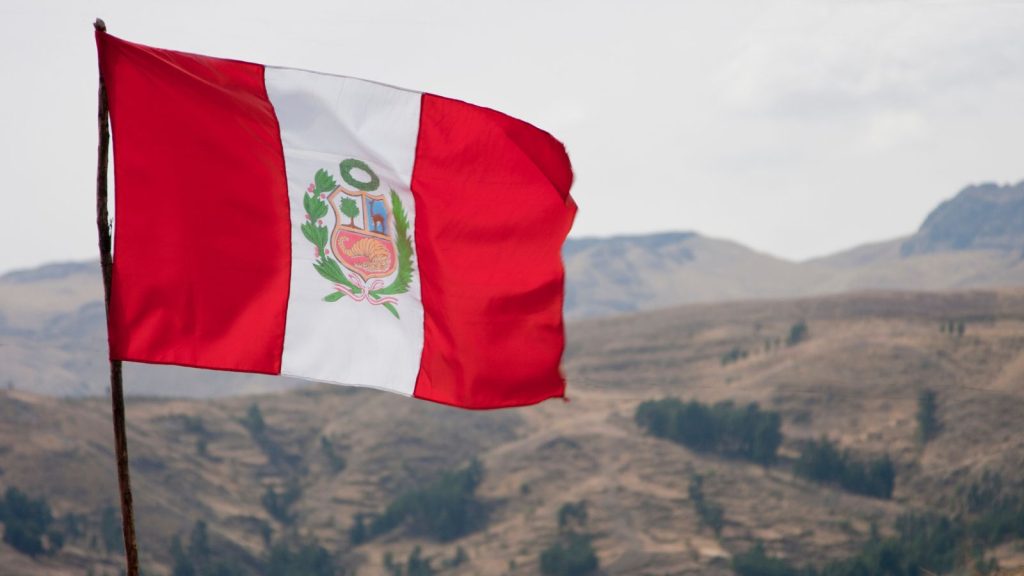
By: Clemente Rodríguez (09/05/2024). Do the regional groups in southern Peru have any link with those sectors that openly seek separation from Peru? What is the potential of the latter to achieve their goals? The article will examine the presence, acceptance, and capacity for expansion of regional parties, as well as their attributed secessionist potential.
Mapping Strategies: Challenges and Reflections on Drug Trafficking and Terrorism in the VRAEM 2023

By: Óscar Luis Calle Pérez (18/04/2024). Addressing the deep-rooted problem of drug trafficking in the Apurimac, Ene and Mantaro River Valleys (VRAEM), this article examines the complex interaction between criminal organizations and the self-styled Terrorist Organization Militarized Communist Party of Peru Marxist Leninist Maoist, mainly Xiist (MPCP – MLM – PX). Its objective is to analyze the strategies implemented by the Special Command of the Apurimac, Ene and Mantaro River Valleys (CEVRAEM) to dismantle the terrorist central committee and sever links with drug trafficking.
Destruction of Water Security and Mining in Southern Peru: An Attack on Future Generations?

By: Dani Vargas, Elizabeth Avendaño, Elvis Álvarez y César Aquino (11/04/2024). Droughts in the Andes have increased in frequency in recent years, causing the loss of rivers, lakes and lagoons due to high daytime temperatures, especially in non-rainy seasons. Lake Titicaca, considered the highest navigable lake in the world, has retreated hundreds of meters, reaching alarming levels and losing more than 75 cm of its level. This decrease in Andean glaciers affects the water security of the population on the Pacific coast, the Andes and the Amazon.

