


Spain: Deterrent Military Loss to Morocco
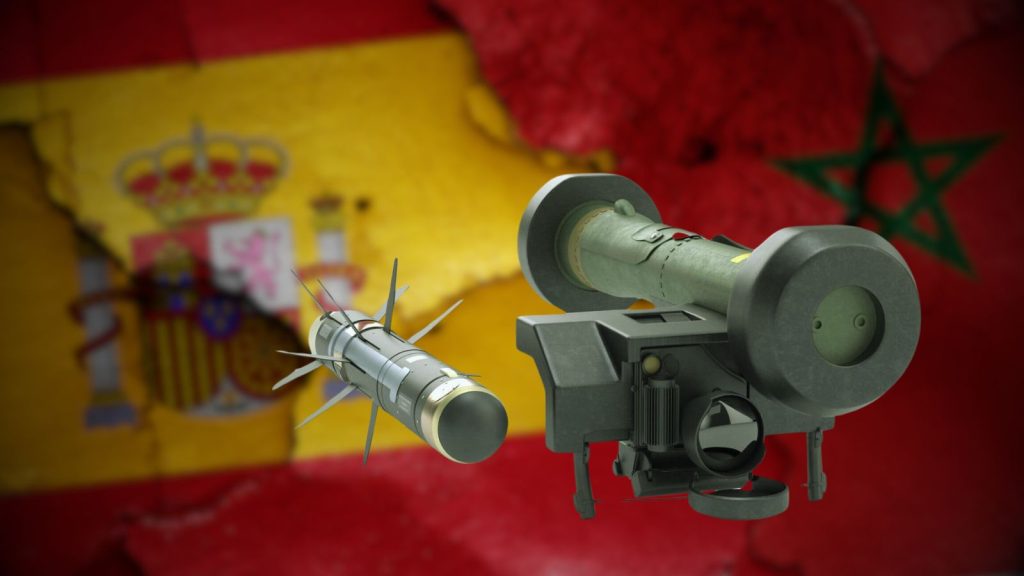
By: Andrés González Hernández (24/10/2024). Morocco’s latest arms acquisitions turn the possibility of risk into a real threat of attack on the Spanish cities of Ceuta and Melilla. The recent supply of Javelin missiles by the United States (US) to Morocco reduces the deterrent capability of the Spanish Leopard tanks positioned in both cities. In addition to the supply of Javelin missiles, the U.S. has established several factories in the country, giving Morocco some autonomy to resupply the weaponry used.
The “Make in India” Experience to Boost Development and Self-Reliance

By: Mario Renzo Caceres Solis (11/10/2024). In 2014, the government of India launched the “Make in India” initiative in a context of crisis that gradually permeated the sentiments of the Indian citizen, becoming the flagship program of the nation. It provided a sure north and a guiding path to realize its ambitions of regional leadership, growth and security. Moreover, statistics show a favorable and remarkable trend in the region.
The consolidation of the Beijing-Moscow-Tehran axis and its geopolitical implications
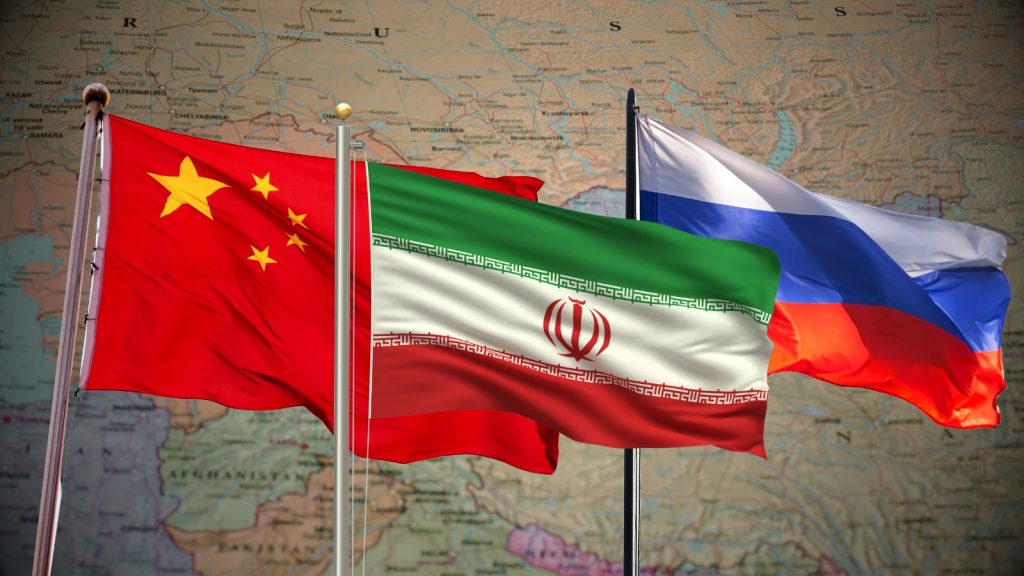
By: Gonzalo Javier Rubio Piñeiro (03/10/21). The possible creation of a geopolitical alliance/coalition made up of the People’s Republic of China, the Russian Federation and the Islamic Republic of Iran is interpreted by analysts and politicians as a strategic maneuver aimed at countering the global domination of the West and, in particular, challenging the United States hegemony. Commonly known as the Beijing-Moscow-Tehran axis, this coalition symbolizes the convergence of interests between these countries to strengthen economic, political and military collaboration.
Guatemala’s Security Challenges and the Government’s Response
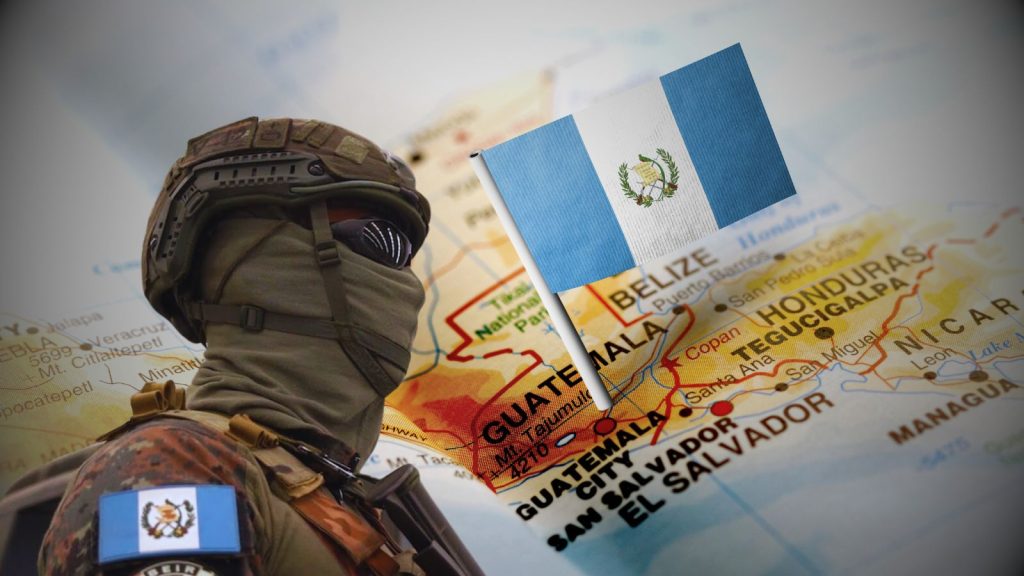
By: Robert Evan Ellis (26/09/2024). The article “Guatemala’s Security Challenges and the Government’s Response” by R. Evan Ellis analyzes the security challenges faced by Guatemala and the response of the government led by Bernardo Arévalo. Guatemala’s strategic geographic location makes it a key point for the transit of drugs and migrants to the United States, as well as an important link between North and South America.
Paraguay’s Security Challenges and the Government Response
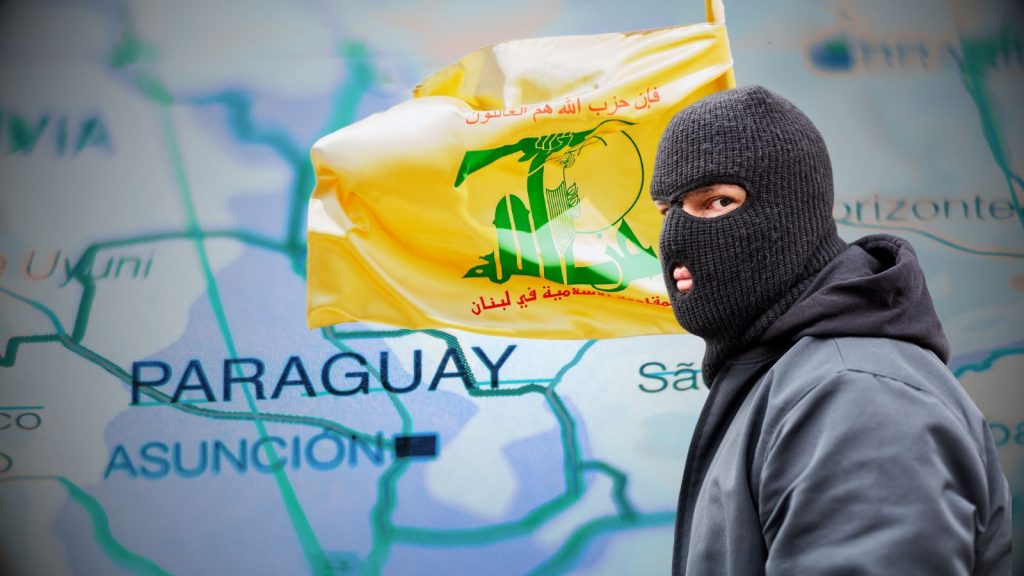
By: Evan Ellis (12/09/2024). The article by R. Evan Ellis analyzes the security challenges in Paraguay and the government response under the administration of Santiago Peña. It argues that Paraguay, despite its strategic location and regional relevance, faces serious security problems due to organized crime, corruption and its role as a transit point for drugs and weapons. The country also serves as a hub for Hezbollah operations in the region.
Russian Warships, Venezuelan Elections, and a Fabricated Crisis with Guyana in the Caribbean?
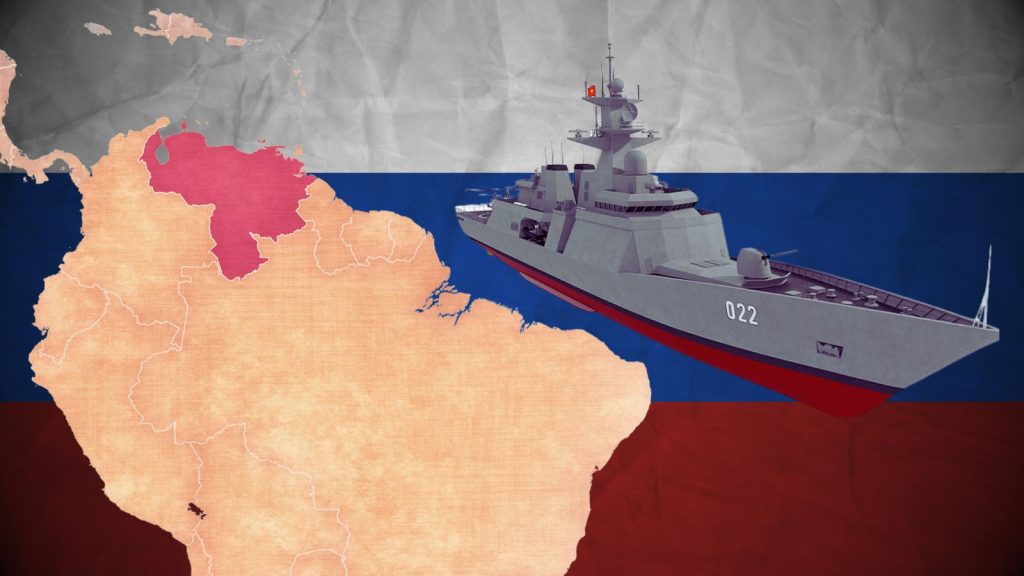
Por: R. Evan Ellis (05/09/2024). En el artículo “¿Buques de guerra rusos, elecciones venezolanas y una crisis fabricada con Guyana en el Caribe?”, escrito antes de las elecciones del 28 de julio de 2024 en Venezuela, R. Evan Ellis explora la presencia militar de Rusia en el Caribe y sus implicaciones para la geopolítica regional, en particular en lo que respecta a las elecciones venezolanas y la disputa territorial entre Venezuela y Guyana.
Challenges of Military Intelligence in the Fight Against Terrorism in the Apurimac, Ene and Mantaro River Valleys (VRAEM)
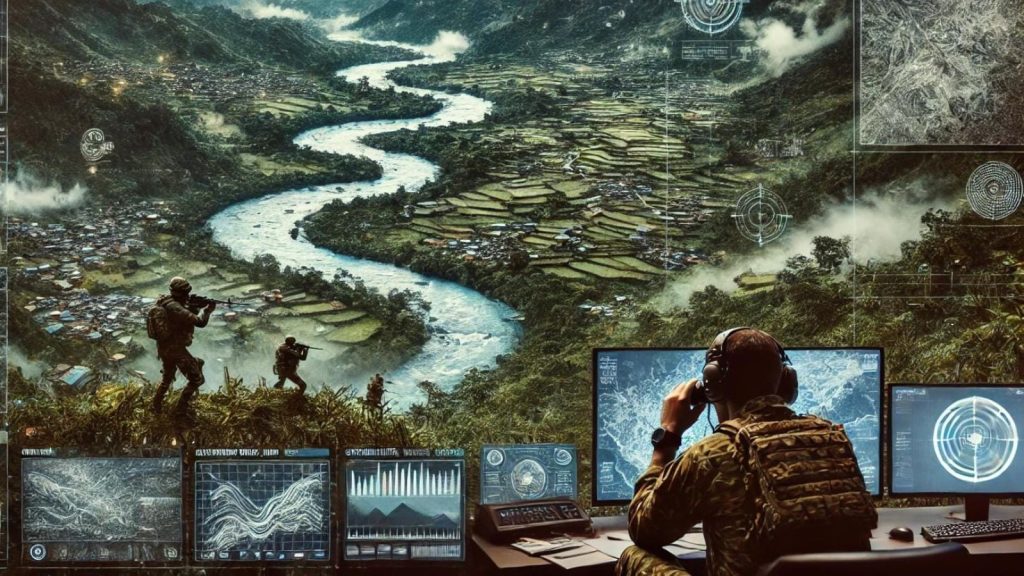
By: Luis Gustavo Castro González y Julio Mario Zuñiga Concha (29/08/2024). The research examines the challenges faced by military intelligence in combating the terrorist organization operating in the Apurimac, Ene and Mantaro river valleys (VRAEM). First, it describes the evolution of this organization over the last 30 years. Subsequently, a detailed evaluation of the transformation and development of military intelligence in this region is carried out. Furthermore, an exhaustive diagnosis and identification of key variables is carried out by means of the MICMAC Method (Multiplied Cross Impacts Matrix for Classification).
Artificial Intelligence and Disinformation: Role in 21st Century Conflicts

By: Adolfo Arreola (15/08/2024). Recent conflicts around the world demonstrate that technology is fundamental for the development of war campaigns. The use of state-of-the-art technology is not limited exclusively to traditional International Humanitarian Law (IHL) actors, but is also employed by non-state actors, who challenge the effectiveness of the international legal framework, open the way for illegitimate and illegal actions, and expand the gray zone between peace and war.
The Amazon Cooperation Treaty Organization as a Tool for Combating Transnational Organized Crime from an Environmental Perspective

By: Fábio Albergaria de Queiroz (08/08/2024). This article analyzes transnational illicit activities in the Amazon, a space where diverse criminal networks thrive. As a research proposal, it is verified, through descriptive (how) and causal (why) inferences, to what extent the Amazon Cooperation Treaty Organization (ACTO) can become an effective tool to combat them, replacing the Union of South American Nations (UNASUR), which before the suspension of its activities was the appropriate forum for this purpose.
Social Network Security: Navigating with Cyber Awareness and Solidarity

By: Julio Hernán Santa Cruz Zavaleta (01/08/2024). Social networks, in their constant search for public attention, have generated an excessive dependence on technology, turning many individuals into Information and Communication Technologies (ICT) automatons. This addiction to digital interaction has resulted in a diminished capacity for critical reflection and decision-making based on real knowledge. It is essential to question the impact of Social Networks on people’s ability to think independently and critically, and to seek a balance between technology and the development of cognitive and analytical skills.

