


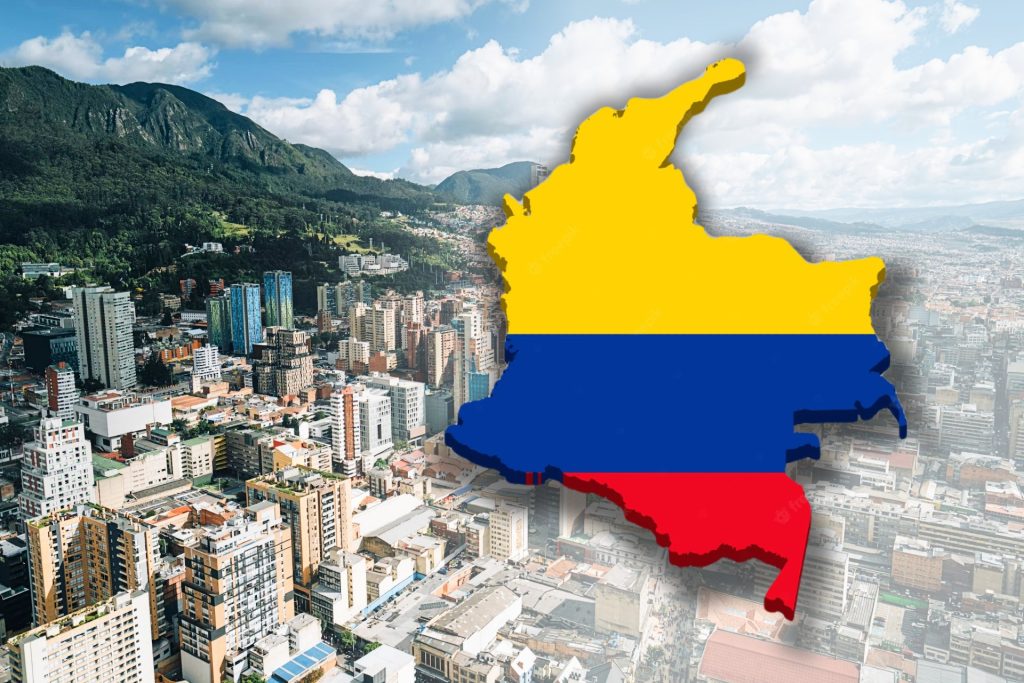
A Preliminary Look from Washington at Colombia’s New Direction and Security Challenges
By: R. Evan Ellis (19/10/2022).
This work examines the likely direction of the Gustavo Petro administration in Colombia in the arena of economic, security and foreign policy, and associated challenges. Its analysis is based on key personnel appointments, statements, and initial policy actions. It argues that the administration will likely have the will, personnel, and legislative support to at least partially implement its agenda of radical change. Its ability to avoid economic deterioration and capital flight, implement the “total peace” which it seeks, and avoid a deteriorating security situation and weakened military and police capabilities will be critical. The basis of its relationship with the U.S. will also shift, creating tensions, but both sides will work to maintain a positive tone.
Interdependencia económica y guerra: El ejemplo de Ucrania

En la primera edición de nuestro pódcast, Pensamiento Estratégico, el Dr. Farid Kahhat, analista principal del CEEEP, nos habla sobre interdependencia económica y guerra, usando a Ucrania como ejemplo.
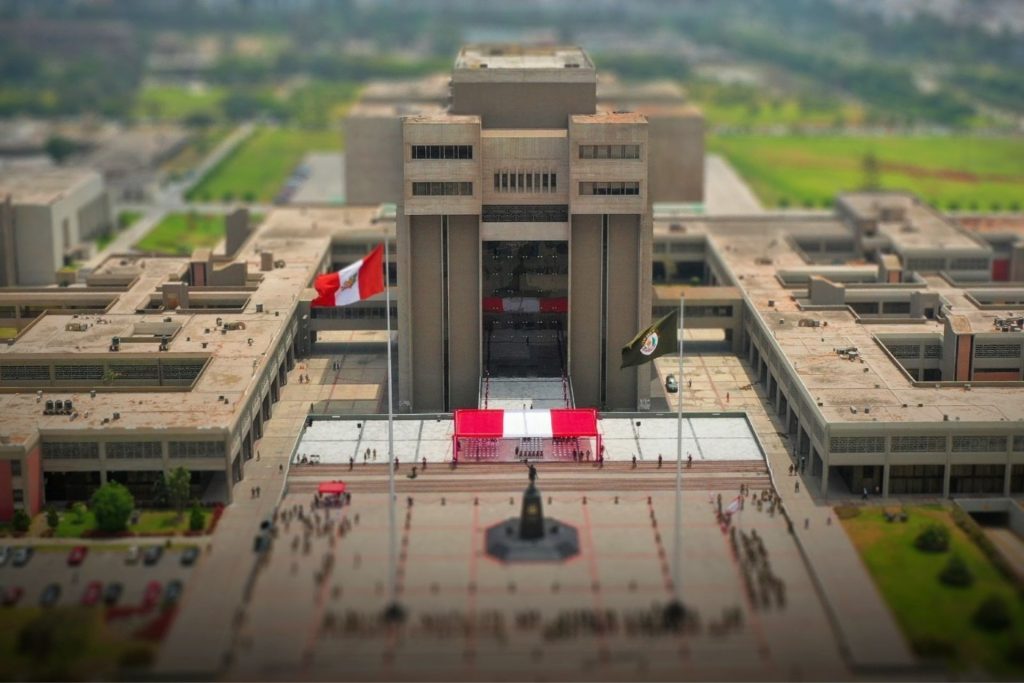
Organizational Climate in the Peruvian Army: The Permanent Challenge of the Leaders
By: Johnny Romaní Vargas (29/09/2022).
The organizational climate is one of the key factors for the fulfillment of the goals and objectives of an organization since there is a significant relationship between the organizational climate, satisfaction and work performance. Through the development of an adequate organizational climate in the units and dependencies of the Army, it is possible to motivate personnel, increase the level of efficiency at work, guide subordinates efficiently, fulfill daily tasks and develop the appropriate skills to adapt and cope with unforeseen situations. In this sense, leaders need to know the main problems that influence the performance of the human factor, as well as acquire skills to successfully lead their staff, influencing their emotional state and positively impacting job satisfaction and performance. This article analyzes the challenges faced by a military leader and the capabilities he must develop to achieve an adequate organizational climate in army units and dependencies.
Ceremony for the Fourth Anniversary of the CEEEP
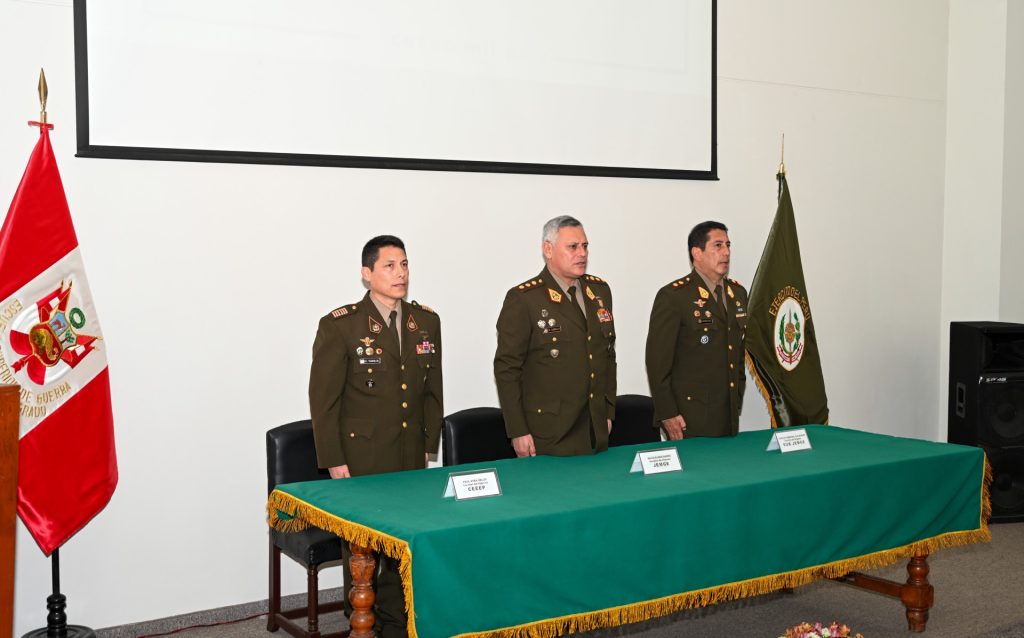
On September 28th was the Ceremony for the Fourth Anniversary of the CEEEP. This event was presided by Major General David Ojeda Parra (Chief of the General Staff of the Army), representing Army General Walter Córdoba Alemán (General Commander of the Army), who was accompanied by Brigadier General Carlos Rabanal Calderón (Deputy Chief of General Staff of the Army), among other distinguished guests.
Conference “Russia and Ukraine: Geopolitical and Military Analysis of the War”

On September 21st, the Peruvian Army Center for Strategic Studies organized the Conference “Russia and Ukraine: Geopolitical and Military Analysis of the War” celebrating the 4th Anniversary of the CEEEP. This event was attended by Doctor Farid Kahhat (Senior Ad Honorem Analyst at CEEEP) and the Master Clemente Rodriguez (Analyst – Researcher at CEEEP). It was presided over by the Division General David Ojeda Parra (Chief of the Major State General of the Army) representing the Army General Walter Cordoba Aleman (General Commander of the Army) along with the High Command of the Army.
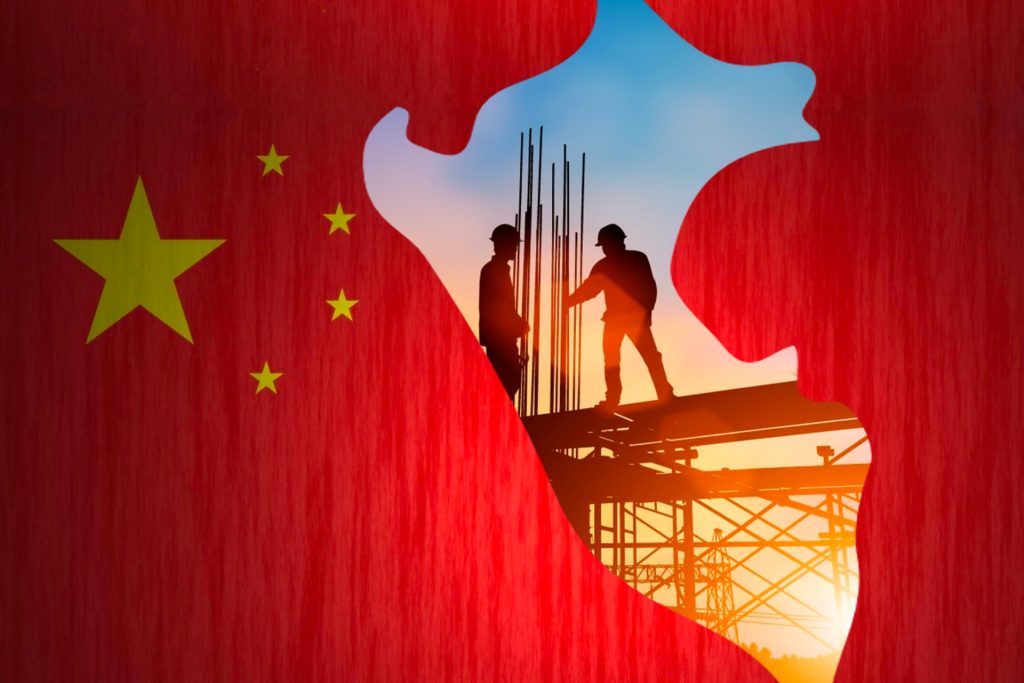
Peruvian interests and the “Belt and Road Initiative”
By: Miguel Estrada Terrones (22/09/2022).
This article analyzes the importance of the inclusion of Peru in the great infrastructure and road connection initiative called “the Belt and the Route”, launched by the People’s Republic of China (PRC). This initiative aims to unite the world through a series of projects that integrate the countries of Asia and Europe with the countries of Latin America, Africa and the Middle East. This project foresees, in this part of the continent, the construction of new ports, railways, highway axes, terminals and logistics centers, for which the PRC would become the main financier of these works, promoting agreements with the States involved. In this context of challenges and given the importance of these works, Peru faces the need to consolidate the financing of two large projects: “the bi-oceanic railway between Peru and Brazil” and “the megaproject of the North Pan-American railway train”. In that sense, this article aims to draw the reader’s attention to this important issue, since Peru -being a country that requires large investments to develop its main infrastructures- should analyze and minimize the risks associated with its involvement in this ambitious initiative of the PRC.
Delivery of computer and printing equipment by the Taipei Economic and Cultural Office in Peru to the CEEEP
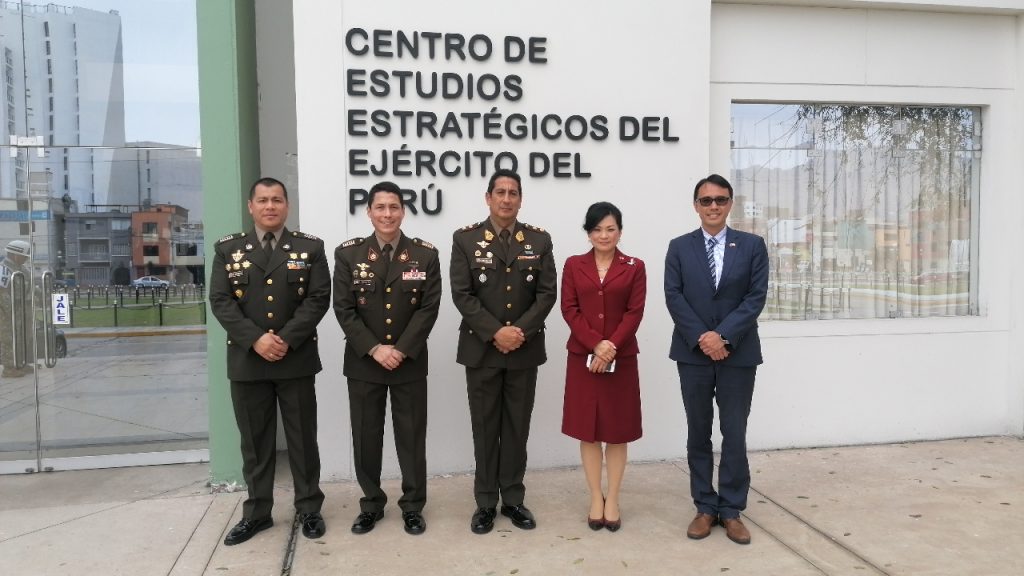
On September 16th, 2022, during an important ceremony, the Taipei Economic and Cultural Office in Peru delivered seven desktop computers and two multifunctional printers for the equipment of the Administrative Section of the Peruvian Army Center for Strategic Studies (CEEEP), helping the performance of the staff working at the Center.
Social conflicts in Peru and military-police cooperation
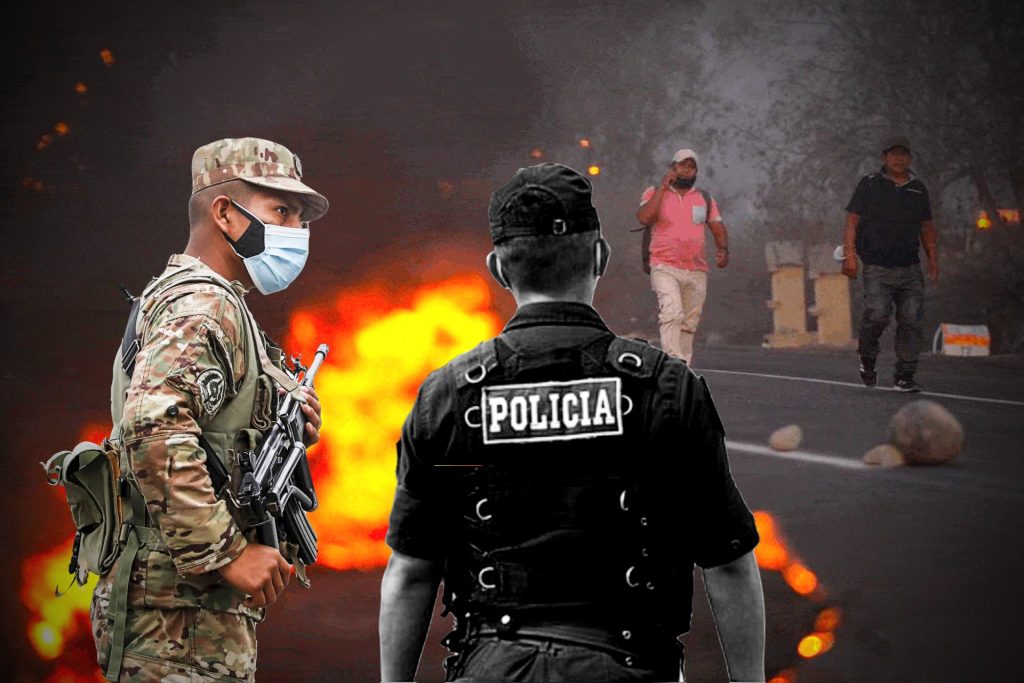
By: José Franco Lazarte (15/09/2022).
The States have legislative capacities to control the relations between individuals and institutions, as an objective manifestation of the exercise of their political power to regulate society, the interests of social actors and the crises that affect the security of the country. In this sense, this article highlights the importance of military-police cooperation as a mechanism to overcome constitutional restrictions on the intervention of the Armed Forces in environments of social conflict in support of the National Police of Peru. Likewise, it is highlighted that, in the context of international security, the new approaches to security in the hemisphere and the accelerated changes in the national reality require the design of security models that integrate mechanisms of intervention of the Armed Forces in conflictive processes that configure sources of serious threats to security and that affect national development.
Representatives of the Helmut-Schmidt University / University of the Federal Armed Forces Hamburg visit the CEEEP
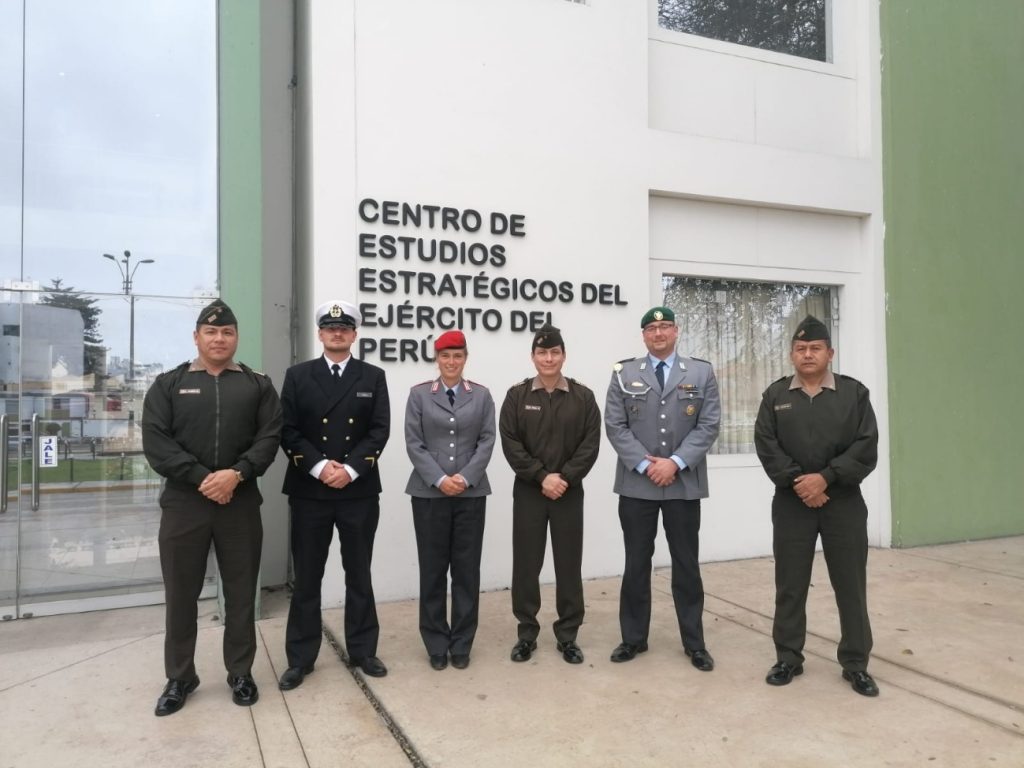
On September 7th, a military delegation from the Federal Republic of Germany visited the Peruvian Army Center for Strategic Studies (CEEEP) with the purpose of strengthening ties of academic cooperation and dialogue on topics of interest. The delegation was made up of Captain Dr. Elisabeth Sperling, representative of the Helmut-Schmidt University / University of the Federal Armed Forces Hamburg, First Technician Christian Ober-Bloibaum and Cadet Moritz Löbbert.
Researchers from the Royal United Services Institute visit CEEEP
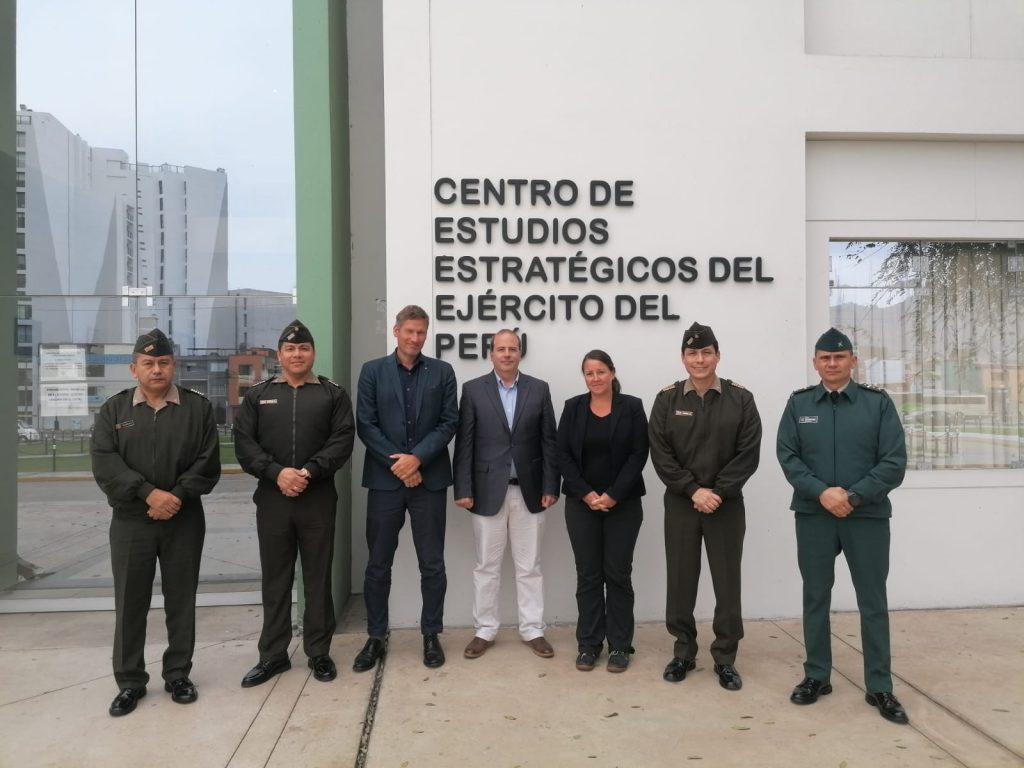
On August 29, a group of researchers from the Royal United Services Institute (RUSI), the world’s oldest and the UK’s leading defence and security think tank, visited the Peruvian Army Center for Strategic Studies (CEEEP) with the purpose of strengthening ties of academic cooperation and dialogue on topics of interest. During the visit, a group of CEEEP researchers gave a presentation on the “Evolution and Impact of Transnational Organized Crime in the Peruvian Amazon” and exchanged ideas with RUSI researchers. This delegation was made up of Sasha Jesperson, Martin Verrier and Rune Henriksen.

